


Selection rule: confirm the material and corrosion exposure against the assembly conditions before comparing unit price. A harder steel nut may suit a wear-focused drive, while bronze or another specified material may better suit a mating screw where galling is a concern; the drawing and duty cycle determine the choice.
Direct Factory 1 2 10 acme flange nut China Supplier: Specification, Ordering and Quality Notes
Material choice starts with the conditions the nut will meet: mating screw material, lubrication, load direction, motion frequency and exposure to moisture or process chemicals. “1 2 10” is commonly intended as a 1/2-10 ACME thread, but buyers should confirm nominal diameter, 10 threads per inch, thread hand and fit class on the drawing before a production order.
Assumptions Buyers Should Stop Making
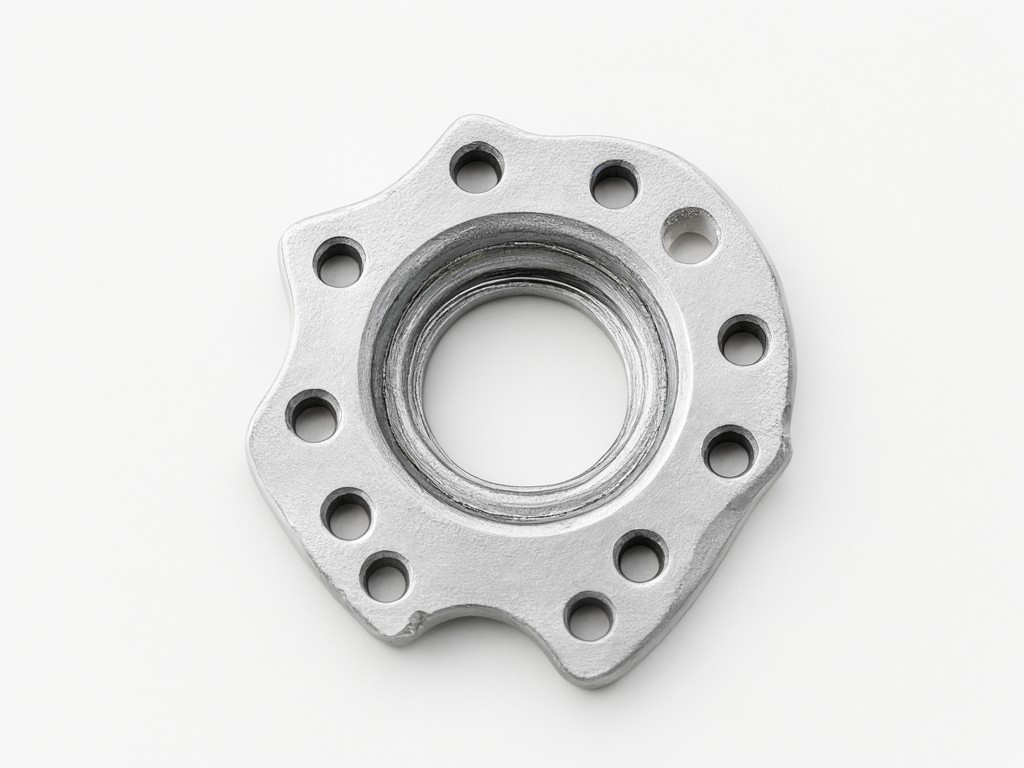
A flange does not establish the nut’s load capacity, and the thread designation alone does not define the complete part. Flange diameter, thickness, bearing-face flatness, body length, thread engagement and any mounting features still need controlled dimensions. Treating a catalogue description as a complete specification can leave the mating screw with excess play or a flange that does not seat squarely.
Surface finish is not a substitute for material selection. A plated carbon-steel nut and a stainless nut differ in strength, wear behaviour, corrosion response and cost; the right comparison depends on the complete assembly. State lubrication and service exposure as well, since friction and wear can change with both.
Usage Scenarios and Buyer Segments
ACME flange nuts are specified for screw-driven positioning and load transfer where the flange provides an integrated bearing surface or mounting feature. The duty description matters: intermittent adjustment in a guarded mechanism is not the same purchasing case as frequent cycling under sustained load.
| Usage level | Typical buying context | Specification points to confirm |
|---|---|---|
| Occasional adjustment | OEM assemblies with infrequent positioning and a defined service environment. | Thread fit, flange seating face, material and finish compatibility with the mating screw. |
| Regular cycling | Equipment where repeated travel makes wear, backlash and lubrication part of maintenance planning. | Duty cycle, load direction, screw material, lubrication and acceptable wear or backlash limits. |
| Sustained or demanding duty | Assemblies with continuous load, limited maintenance access or repeated starts and stops. | Application-based load and life validation; do not infer a rating from the thread size alone. |
Requirements by Buyer Segment
Importers need repeatable dimensions, clear carton identification and a saved revision record so replenishment matches the approved lot. OEM buyers usually need tighter control of the mating interface: thread fit, flange runout or flatness, overall height and the material pairing with the lead screw. Where assembly complaints have included binding, looseness or early thread wear, provide the failed part and screw details alongside the drawing; a nut-only inspection may not identify a mismatch in the pair.
Working as a Production Partner, Not a Catalogue Supplier
Production can be based on a machined blank, with the flange faces and body features turned or milled to the approved drawing, followed by internal ACME thread cutting and deburring. This route suits controlled repeat orders and drawing-specific geometry; unit cost depends on material, machining time, thread inspection and order quantity. A sample approval should lock the drawing revision, material, finish and inspection points before the first production batch.
Finish selection should follow the environment and the buyer’s appearance requirement, not colour alone. Plating can change fit at the thread, so the agreed process sequence and final thread acceptance criteria belong in the order specification.
| Material / finish route | Typical appearance | Buyer check |
|---|---|---|
| Carbon steel, plain or lightly oiled | Metallic; oil may darken the surface. | Confirm storage protection and expected corrosion exposure. |
| Carbon steel, zinc plated | Silver or blue-tinted, subject to the agreed finish process. | Specify coating requirement and check thread fit after plating. |
| Carbon steel, black oxide | Black or dark grey. | Confirm supplementary oil or corrosion protection where the service environment requires it. |
| Stainless steel, passivated when specified | Natural metallic finish. | Check galling risk, mating screw material and lubrication for repeated motion. |
Quality Control and Batch Consistency
Thread fit is the first practical check because a nut can pass an outside-dimension inspection and still bind or show excess play on the screw. Inspection should use a thread gauge matched to the approved ACME profile and fit, with dimensional checks for flange diameter, flange thickness, body length and bearing-face condition. The buyer’s drawing should define tolerances; the label “1/2-10” alone does not supply them.
Repeat-order control depends on retaining the approved sample, revision and material/finish details as the production reference. If coating wear, corrosion or thread damage caused prior returns, agree on the relevant inspection method before manufacture. Application load or cycle testing requires the mating screw, lubrication and test conditions; a standalone nut test cannot represent the assembled mechanism.
Stock Availability and Reorder Planning
A drawing-specific ACME flange nut should not be treated as interchangeable stock unless thread fit, flange geometry, material and finish all match the approved part. Reorder timing depends on raw material availability, machining capacity, any secondary finish process and inspection scope. Importers can reduce supply gaps by sharing forecast quantities and call-off dates; OEM buyers should flag engineering changes before a repeat order enters production.
For repeat supply, keep one controlled specification with the purchase order and identify the revision on each release. Confirm stock status and production lead time against the actual material and finish rather than relying on a generic item description.
Packing, Marking and Freight Configuration
Bulk packing is practical for larger quantities, but loose metal parts can rub at the flange edges and damage a plated finish during transit. Use bags or inner cartons sized to limit movement, then protect the packed units from moisture in the export carton. For mixed revisions or finishes, separate and label each lot so receiving teams do not combine parts that look alike but have different thread or material requirements.
Agree carton quantity, gross weight, part number, purchase-order reference and batch identification before dispatch. If the buyer requires individual labels or a specific carton configuration, confirm the artwork and packing sample during order setup rather than after production.
Discuss a Repeat-Order Specification
Send the drawing, mating screw details, service conditions, material and finish preference, target order quantity and forecast. We can review the machining route, inspection checkpoints, sample approval and packing plan against your repeat-order requirements. Discuss your project with the factory team.