


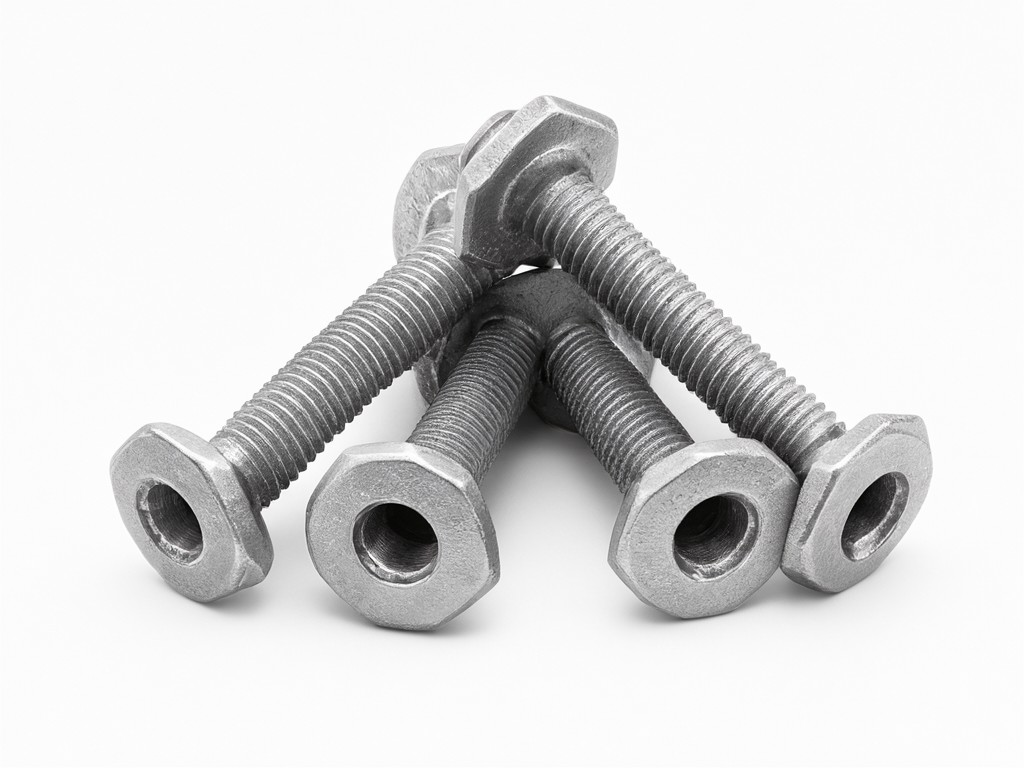
Discount 8 8 flange bolts factory: Specification, Ordering and Quality Notes
Repeat loading drives the failure when clamp force falls or a bolt sees movement across the joint. For importers qualifying a second source, a low unit price matters only if thread fit, flange geometry, mass and finish stay consistent between lots; drift can create assembly delays, mixed-stock complaints and avoidable returns.
Option Comparison by Usage Level
| Configuration | Typical fit | Trade-off to price | Lot consistency to specify |
|---|---|---|---|
| Class 8.8, zinc-plated, plain flange | General machinery and equipment joints with controlled indoor exposure | Usually the lower-cost choice; the coating is not a substitute for a corrosion-resistant material in wet or chemically exposed service. | Set coating appearance, flange diameter and thread dimensions by drawing or approved sample. |
| Class 8.8, zinc-plated, serrated flange | Joints where resistance to rotation is needed and the mating surface can accept serration marks | Serrations can improve resistance to loosening under suitable joint conditions, but can damage softer or finished surfaces. | Control serration form and flange face; visible differences can affect seating and customer acceptance. |
| Class 8.8, hot-dip galvanized | Outdoor or exposed steelwork where the specified coating system suits the environment | The heavier coating adds corrosion protection but can affect thread fit and assembly; confirm nut and thread compatibility before ordering. | Approve coating thickness range, thread fit and appearance as one configuration rather than mixing coated lots. |
Weight and stiffness trade off against each other at the joint level: a larger diameter or longer grip can change the clamp-load response, but upsizing also changes component cost and fit. Class 8.8 identifies a strength class, not a torque value; tightening limits depend on diameter, lubrication, coating, joint materials and the assembly procedure. Decide the configuration against the joint drawing and service conditions, then hold those details constant across repeat orders.
Who Uses It and Where It Matters
Flange bolts are bought in volume by equipment makers, maintenance distributors, importers and private-label fastener suppliers. The flange provides an integral bearing face, so it can remove a separate washer where the joint design allows. Buyers should not assume that every flange bolt replaces a washer or locking feature; confirm the seating surface, clamping requirement and vibration exposure with the equipment specification.
- Equipment assembly lines need repeatable thread engagement and head geometry so the same tooling and assembly settings work from shipment to shipment.
- Maintenance distributors need stable size and finish identification across cartons; mixed appearance or mass can trigger stock checks and customer returns.
- Facilities teams at clubs or academies may purchase these bolts for fixed equipment frames and service repairs. Exposure to cleaning chemicals, moisture and repeated vibration should guide the finish and replacement interval.
- Private-label buyers and importers benefit from a second source when approved samples, drawings and packaging labels give both factories the same acceptance basis.
Segment-Specific Requirements
Fatigue appears at the stress concentration when a joint moves, clamp load is inadequate or a bolt is repeatedly overloaded. A strength-class change alone will not correct poor joint design or an unsuitable tightening method. For a second source, document the full part identity—diameter, pitch, length, head and flange dimensions, class, finish and any serration—so lot comparisons do not rely on a short product name.
Frequent Reorders
For production use, nominate a master sample and drawing revision. Keep the thread pitch, under-head length, flange diameter and finish colour aligned; even small lot-to-lot shifts can create fit checks, line stoppages or rejected cartons.
Service and Replacement Stock
For repair kits and distributor stock, prioritize clear part coding and finish compatibility with the mating nut. A lower-cost plain flange may suit a protected indoor joint; exposed service can justify a more suitable coating, provided thread engagement remains acceptable.
| Nominal size and example length | Indicative mass per piece | Ordering note |
|---|---|---|
| M6 × 20 mm | About 7 g | Confirm flange diameter, head height and whether the flange is plain or serrated. |
| M8 × 25 mm | About 15 g | Check pitch and usable thread length against the mating part. |
| M10 × 30 mm | About 28 g | Confirm the grip length and surface finish of the joint face. |
| M12 × 40 mm | About 50 g | Confirm the coating and nut combination before release. |
| M16 × 50 mm | About 110 g | Use the approved drawing for dimensional and weight acceptance. |
Mass figures are planning estimates for the listed examples, not acceptance limits; flange geometry, length, steel density and coating change the final piece weight. Set a defined range against the approved part before using carton weight as a receiving check.
Capacity, Tooling and Scheduling
Common metric sizes can often run on established heading and thread-rolling tooling; nonstandard flange dimensions, special under-head lengths or serration geometry may require dedicated tooling or a production trial. A second-source schedule should separate sample approval, tooling readiness, production quantity and export packing rather than quote one undifferentiated lead time.
Second-source rule: freeze drawing revision, coating, carton quantity and approved appearance before scheduling repeat production. A change to any of these can alter fit, delivered piece count or customer acceptance even when the nominal size remains the same.
For cost comparison, request the same material and finish scope from each supplier. A unit-price gap can disappear if the lower quote excludes tooling, uses a different coating, or packs fewer pieces per carton.
Setup, Use and Replacement Parts
Use the specified tightening method and torque for the actual joint, not a generic value attached to the bolt size. Coating and lubrication affect friction, so a torque setting carried over from an uncoated part may produce a different clamp load. Keep mating nuts, washers where required, and replacement bolts matched to the approved finish and thread.
- Replace bolts that show damaged threads, distorted flanges, corrosion that affects seating, or evidence of repeated overload.
- Do not reuse serrated flange bolts where the joint specification calls for new hardware or where the serrations no longer engage the mating surface.
- Store cartons dry and retain lot identification so maintenance stock can be traced to the original order and finish.
Ordering, Tooling and Lead-Time Questions
What information is needed for a comparable factory quote?
Send the drawing or full callout with metric diameter, pitch, length, property class, flange dimensions, plain or serrated face, finish, annual quantity, order quantity and packaging needs. Include the current approved sample or reference part if the existing specification omits a dimension.
Does a new flange size require dedicated tooling?
Standard sizes may use available tooling, while a nonstandard head, flange or serration profile can call for new tooling and a sample stage. Ask the factory to identify tooling cost, ownership, sample timing and any minimum production quantity before approval.
How can buyers reduce appearance and weight drift between lots?
Approve a finish reference and drawing revision, then agree on the dimensions and piece-mass range that matter to your application. Keep those conditions unchanged on reorders and request lot identification on cartons; this makes supplier-to-supplier comparisons clearer and helps limit returns caused by mixed specifications.
Qualifying a second source is easier when the drawing, sample, finish and packing basis are agreed before the first production order. Share your flange bolt specification for a project discussion covering size range, tooling, order volume and shipment requirements.