


Discount types of hex nut vendor: What Buyers Should Check Before Ordering
Selection rule: a lower unit price only reduces total cost when thread fit, material grade, finish, and batch inspection match the mating bolt and service conditions. Confirm those requirements before comparing volume discounts; mixed specifications can turn a small saving into sorting costs, assembly stoppages, or warranty returns.
What Actually Determines Performance
The interface between parts determines whether a hex nut seats cleanly and holds the intended clamp load. Thread pitch, tolerance class, nut height, and the bolt’s grade must agree; a nut that starts roughly or binds can damage threads before the joint reaches its specified torque.
Consistency depends on controlling the dimensions and material condition that affect fit and load, not just the outside appearance. For recurring purchases, agree on the drawing or referenced specification, lot identification, and inspection records before the first production release.
Balance and load analysis shows why the nut cannot be qualified in isolation: bolt strength, thread engagement, bearing surface, and tightening method all affect joint performance. Set acceptance criteria against the assembly design, then apply them to incoming lots.
| Inspection check | Typical factory method | Buyer acceptance basis |
|---|---|---|
| Thread size and pitch | Thread plug gauges, with visual checks for burrs or damaged threads | Approved drawing or specified thread system and tolerance |
| Across-flats size and nut height | Caliper or dedicated dimensional gauges on a defined sample plan | Drawing dimensions and the buyer’s sampling and defect rules |
| Mechanical properties | Hardness checks or proof-load testing, where required by the specified grade | Material grade and mechanical-property requirements for the joint |
| Protective finish | Coating-thickness measurement and visual review; corrosion testing if specified | Finish, appearance, and corrosion requirements stated for the order |
A test method alone does not define acceptance. Record the applicable limits, sampling frequency, and lot disposition in the purchase specification.
Material Options and Their Trade-offs
Carbon steel is often the lower-cost choice where the assembly needs a defined strength grade and the service environment allows a plated or otherwise protected finish. Zinc plating adds corrosion protection for many indoor and general-purpose applications, but coating thickness and thread fit must be controlled together. If the finish changes the fit, assembly torque may no longer produce the expected clamp load.
Stainless steel suits applications where corrosion exposure drives material selection, though the grade must still match the joint’s load requirements. Stainless-on-stainless threads can gall under some tightening conditions; assembly practice, surface condition, and any approved lubricant need review before a repeat order. Hot-dip galvanized options can suit harsher exposure, but the nut and mating bolt must be specified as a compatible set because the coating affects thread clearance.
For buyers weighing a discount against warranty exposure, compare the delivered cost of the complete assembly: nut, bolt, finish, inspection, and any sorting or replacement burden. Choose the least-cost material and finish that meet the documented environment and mechanical requirements.
Comparing Two Standard Configurations
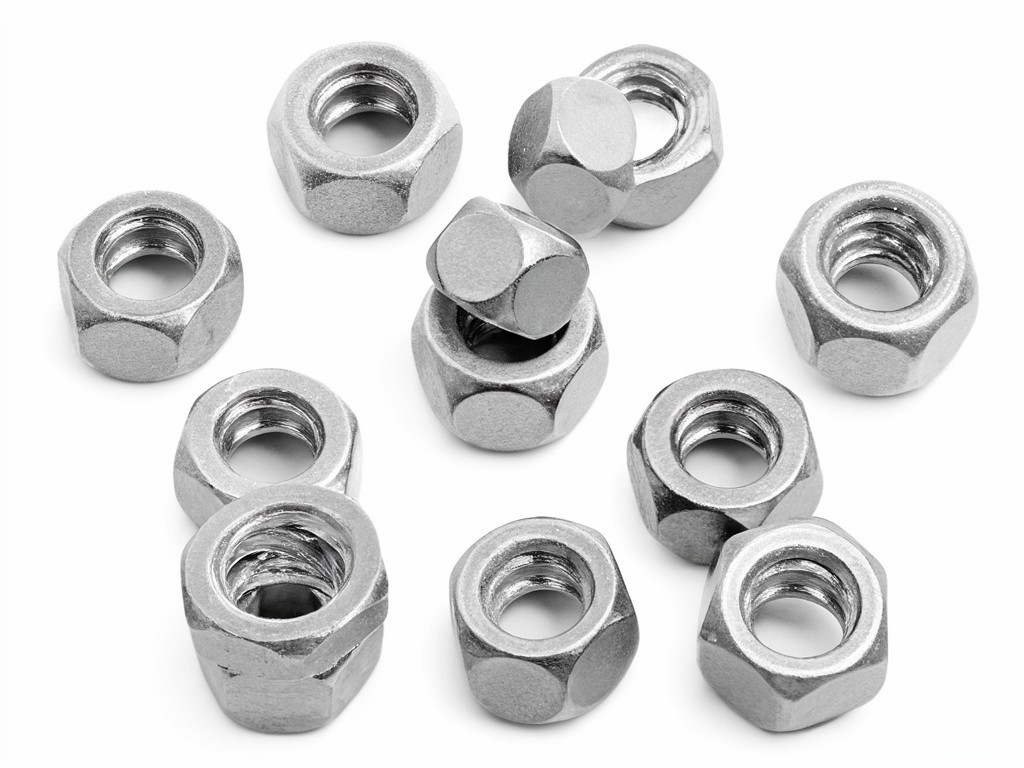
Standard hex and flange hex nuts address different bearing-surface needs. Their suitability depends on the mating part, available clearance, and the assembly’s load path; neither configuration is a universal substitute for the other.
| Configuration | Fit and load considerations | Cost and ordering trade-off |
|---|---|---|
| Standard hex nut | Compact, general-purpose form; bearing area depends on nut dimensions and the mating surface. | Commonly suited to price-sensitive volume orders when the joint already has an adequate washer or bearing face. |
| Flange hex nut | Integrated flange spreads contact over a wider area; a toothed face can mark or damage the mating surface. | May reduce separate washer handling, but costs more per piece and requires confirmation of flange diameter and surface compatibility. |
For either type, verify thread engagement and the intended bearing condition in the assembled joint. A larger flange does not by itself raise the allowable load of a bolt-and-nut assembly.
Matching the Product to the Buyer's Need
For procurement teams, the first decision is whether the order repeats an existing assembly specification or introduces a new nut-and-bolt combination. Reorders should retain the agreed thread, material grade, finish, dimensions, packaging, and inspection basis; even a nominally similar substitute can alter fit or torque response.
Distributors serving several end users may need separate part numbers for visually similar nuts. Keep coating, thread system, strength grade, and configuration distinct in the item master so that a volume price does not lead to cross-shipment or mixed-lot complaints.
A discount is most useful when the forecast is firm enough to support a consistent batch and the buyer can accept the vendor’s pack quantity. For uncertain demand, compare the unit saving with inventory carrying cost and the risk of holding a finish or grade that no longer matches the assembly.
Usage Scenarios and Buyer Segments
A fastener distributor supplying maintenance counters often prioritizes repeatable dimensions, clear grade identification, and packaging that supports mixed-SKU picking. Batch labels and separation by part number help prevent thread or finish substitutions at the customer’s assembly bench.
An industrial procurement officer buying for equipment assembly needs the nut matched to the bolt, joint load, and operating environment. Outdoor exposure, washdown, vibration, or frequent service can shift the choice toward a specified corrosion finish or locking feature, but each change needs approval against the assembly design.
Wholesale buyers managing private-label stock also need traceable cartons and stable product identification across replenishment lots. A small difference in plating colour may be cosmetic; a shift in thread fit or grade can create returns, so acceptance criteria should distinguish appearance from function.
OEM and ODM Programme Structure
An OEM programme should begin with a controlled part specification: thread designation, dimensions, material and grade, finish, configuration, inspection criteria, and pack format. The approved sample becomes the reference for production lots, while any proposed substitution requires buyer review before release.
For private-label orders, carton marks, part descriptions, barcode data, and lot codes should be approved together. Artwork changes are separate from technical changes; a revised label must not obscure grade, size, or traceability information used during receiving and warranty review.
An ODM request can cover selection among standard nut types, material and finish choices, packaging, or a buyer-specific drawing. Keep the approved configuration and inspection plan revision-controlled, then use the same reference on quotations, samples, purchase orders, and inspection records. This discipline costs less than sorting mixed lots after delivery.
Keeping Repeat Orders Supplied
Stock availability depends on the exact combination of thread, configuration, grade, finish, and pack size. Common specifications may be available for faster release, while less common combinations can require a production schedule or a minimum order quantity. Confirm the stock status by part number rather than by a broad description such as “stainless hex nut.”
For repeat supply, forecast by approved SKU and define the acceptable shipment split, carton quantity, and lot documentation. If freight cost is a concern, compare consolidated shipments with the cost of carrying stock locally; do not combine unlike grades or finishes in unmarked bulk packaging.
A quotation review should cover unit price, sample approval, inspection scope, packaging, and replenishment assumptions in one pass. Share the drawing or part specification and expected order pattern through the inquiry team so the quoted discount reflects the actual repeat-order requirements.