


durable oval pan head screw with washer china supplier: What Buyers Should Check Before Ordering
Most quality disputes start with a consistency gap: head profile varies, the washer sits off-centre, or the finish differs between cartons. Those changes can affect seating and clamp load at assembly, then show up as loose joints, coating damage, or corrosion after exposure to rain and routine cleaning. A lower unit price has little value if the next production lot no longer fits the approved assembly.
For a brand product manager or distributor buying from China, the drawing and approval sample should define more than nominal screw size. Head dimensions, drive, thread form, washer type, substrate, finish, and packing all affect how the part installs and holds up. Agree on those details before quoting; otherwise, a small substitution can become a warranty return across a full reorder.
The Problem Buyers Keep Paying For
Assemblies exposed to outdoor weather, washdown, or repeated wiping put the head, washer, and coating under different stresses. A washer that shifts during feeding can seat unevenly; a coating nick at the head edge can become a corrosion start point. If the washer is expected to seal against water, a plain metal washer is not a substitute for a specified sealing washer.
| Construction choice | What it suits | Buyer check |
|---|---|---|
| Carbon steel screw with a specified protective coating and metal washer | Cost-sensitive assemblies where coating condition and exposure limits are understood | Define coating, colour, coverage at edges, washer dimensions, and any agreed corrosion test |
| Stainless screw with a compatible washer material | Assemblies with regular moisture exposure or cleaning where substrate selection supports the service environment | Confirm the exact material grade, mating parts, drive method, and installation conditions |
| Screw with a specified polymer or elastomer sealing washer | Joints that require a defined sealing function under stated service conditions | State washer material, compression conditions, and exposure to UV, cleaners, and abrasion |
Specify the washer function, not just “with washer.” A flat metal washer spreads load; a sealing washer needs a defined material and compression condition. Treating these as interchangeable is a common source of leakage or assembly complaints.
Measured Performance in Real Use
Repeated installation and removal make drive fit and thread consistency as important as nominal length. Confirm head diameter and height, shank length, thread diameter and pitch, washer outside diameter and thickness, and the mating hole or nut. A sample that seats correctly by hand may still fail under a powered driver if the drive recess, substrate, or installation torque is not compatible.
For weather exposure, select the substrate and finish against the actual cleaning agents and storage conditions. UV has little direct effect on a metal screw, but it can age a polymer sealing washer; chlorine-based or acidic cleaners can also affect some metals and coatings. Agree on the inspection method and any corrosion exposure test before production, since a test result only has meaning when the method and acceptance criteria are shared.
OEM and ODM Programme Structure
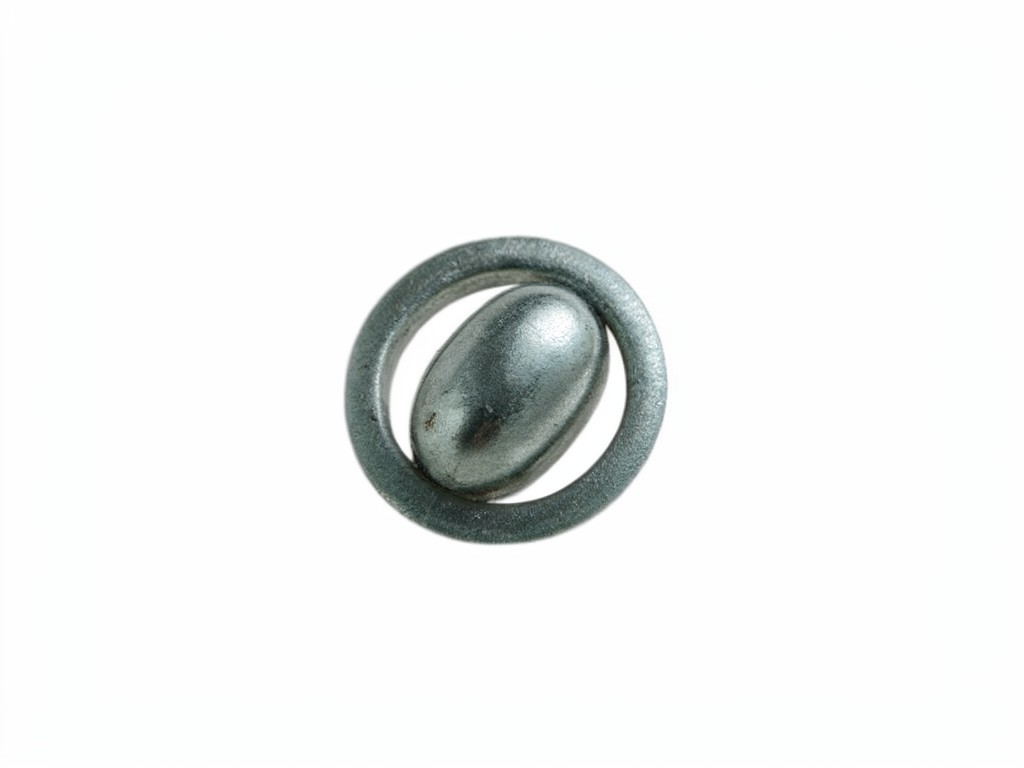
For a repeat programme, cold heading forms the head and shank, thread rolling forms the thread, and a later assembly step fits the washer where the design calls for one. Send a dimensioned drawing or approved sample that identifies the oval pan head profile, drive, thread, washer position, and finish. Custom head or washer tooling can add setup cost and approval time; using an existing size and tooling can reduce both, provided the fit matches the assembly.
Existing Tooling Route
A standard size is often the more economical option for established dimensions. Confirm the actual head profile, washer fit, thread, and coating against a physical sample rather than relying on a catalogue description alone.
Custom OEM or ODM Route
A custom profile, washer, finish, or package can match a brand’s assembly and channel needs. Tooling review and sample approval take time; lock the drawing revision and approved sample before authorising the production lot.
Brand marks on the fastener, carton labels, and inner-pack quantities should be confirmed at quotation stage. If the screw is sold under a private label, align the label description with the controlled drawing so a later purchasing team does not reorder a similar-looking but incompatible part.
Quality Control and Batch Consistency
A practical control plan checks the features that affect fit, installation, and corrosion exposure. Dimensional gauges can verify thread and key head dimensions; visual inspection can catch coating damage, burrs, and washer misalignment. Torque checks should use the agreed screw, mating material, and installation setup, because a torque value without those conditions does not establish assembly performance.
Keep the approved sample, drawing revision, finish description, and inspection record tied to the lot. If coating shade or washer material changes, document the change and request approval before shipment. This gives a distributor a traceable basis for comparing a complaint with the batch supplied, rather than relying on carton appearance or an old purchase description.
Volume Planning and Lead Time
Custom tooling, non-standard washer assembly, finish requirements, and packaging artwork all affect the production schedule. Request a schedule against the final drawing and order quantity; a preliminary estimate made before those inputs are fixed is not a shipment commitment.
| Order stage | MOQ basis | Lead-time basis |
|---|---|---|
| Sample or pre-production approval | Sample quantity and any tooling or setup charge confirmed at review | Drawing review, sample manufacture, finish selection, and buyer approval |
| First production order | Quoted against size, material, finish, washer configuration, and packing method | Starts from approved specifications and confirmed production capacity |
| Repeat order | Reconfirmed against the current order quantity and retained tooling status | Depends on material and finish availability, production slot, and packing requirements |
Keeping Repeat Orders Supplied
Stock availability depends on the exact size, substrate, finish, and washer combination; a supplier’s stock item may not match the approved production part. For recurring demand, share a rolling forecast and identify which dimensions can use standard tooling. That gives the supplier a basis to plan raw material and capacity without treating an unconfirmed forecast as a firm order.
Protect finished screws from moisture and carton damage during storage and export freight. Set the pack count, inner-bag or divider requirement, carton label, and lot identification before dispatch. If your sales cycle needs buffer stock, agree the replenishment point and permitted specification changes in writing so urgent supply does not bypass sample approval.
For a project review, send the drawing or sample, target quantity, exposure conditions, packing needs, and required delivery window. Discuss your screw and washer programme before the next order is released.