


Specifying factory direct 10mm heavy hex nut sizes dimensions suppliers for Wholesale and OEM Orders
During a private-label launch with a fixed ship date, a sample nut can fit the bolt while the production lot still causes trouble: a wrench does not seat on mixed across-flats dimensions, or a thicker coating makes assembly tight. For procurement officers and importers, specifying the M10 thread, heavy-hex profile, finish and inspection points before production helps avoid a rejected shipment and a missed receiving window.
What This Product Is and Where It Fits
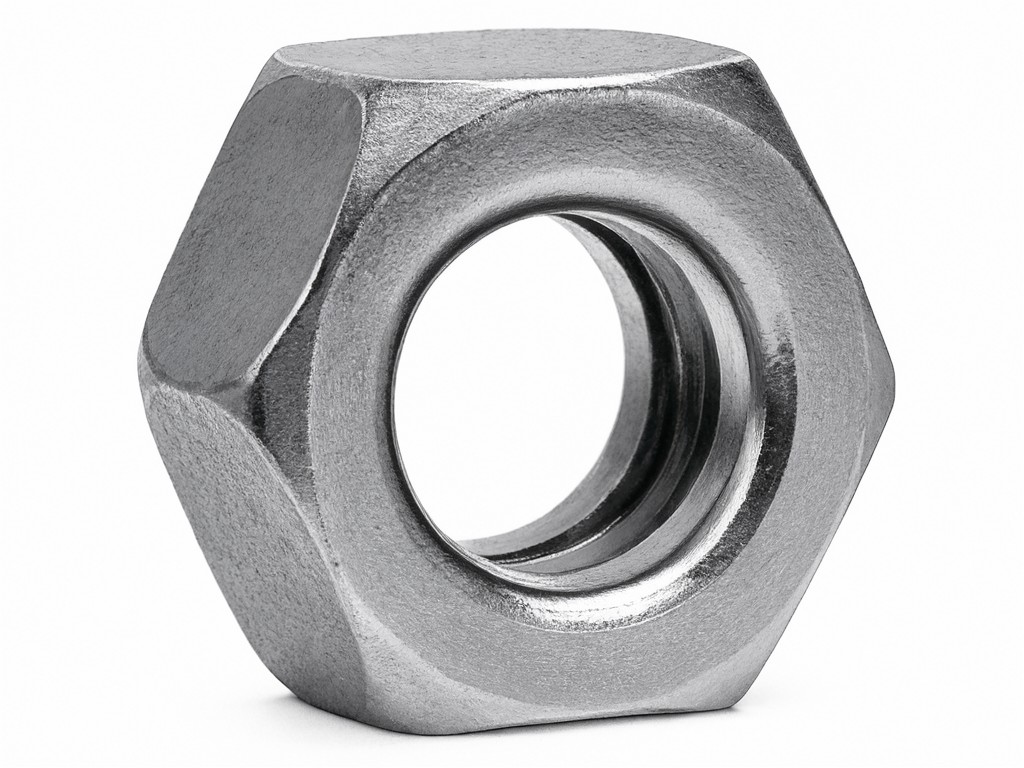
A 10mm heavy hex nut is generally specified as an M10 internally threaded nut with a larger bearing and wrench profile than a standard hex nut. Buyers use it where the joint design calls for more bearing area or a larger wrenching surface, such as structural assemblies, equipment frames and outdoor fixtures. “Heavy hex” alone does not settle the dimensions: the drawing or named dimensional pattern must define the across-flats measurement and nut height.
For outdoor use, the first complaints are often coating wear, rust at exposed edges, or a nut that binds after finishing. Those issues are usually specification mismatches, not problems solved by ordering a heavier-looking part. Confirm the mating bolt, thread pitch, property class and environmental exposure before approving a production sample.
How It Is Built and What That Changes
For M10 production, a typical route cold-forms the steel blank, trims the hex profile, forms the bore and taps the internal thread. The chosen material and property class set the limits for forming and any heat treatment. Coating follows the required finishing sequence; its thickness and process must be considered against thread fit, particularly where the mating bolt has little clearance.
Thread designation
M10; confirm pitch and tolerance
Heavy-hex envelope
Set across flats and height on the drawing
Material and protection
Choose to match load and exposure
Fit check: do not approve by thread engagement alone. Verify across flats with the intended wrench, check nut height against the joint stack, and test assembly after the specified coating is applied.
How to Choose Before Requesting a Quote
If the buyer’s drawing calls out only “M10 heavy hex,” ask the design owner to confirm the dimensional pattern before pricing. A difference in across-flats size can affect tool access; a change in nut height can alter thread engagement and the stack-up of the assembled joint. State thread pitch, material or property class, finish, inspection requirements and packaging quantity on the same RFQ.
| Nominal size | Thread | Indicative across flats | Indicative height | Approx. piece mass and material |
|---|---|---|---|---|
| M10 heavy pattern | M10; pitch and tolerance per drawing | Around 18 mm; confirm pattern and tolerance | Around 10 mm; confirm on drawing | Approximately 10–15 g; carbon steel or stainless steel as specified |
The dimensions and mass above are a quoting reference, not a substitute for a controlled drawing. Chamfer, thread form, material density and coating all affect the finished part. If the application is corrosion-prone, compare coating options against the required thread fit and the expected maintenance interval rather than choosing by finish name alone.
| Order choice | Options to define | Buyer trade-off |
|---|---|---|
| Steel and strength | Carbon or alloy steel; property class and heat treatment per drawing | Higher strength requirements can add process controls and cost; they must match the mating fastener and joint design. |
| Corrosion protection | Zinc-based coating, another specified protective finish, or stainless material | Outdoor exposure calls for a defined corrosion target; coating build must also preserve usable thread fit. |
| Pack and identification | Bulk carton or inner pack, quantity per pack, lot marking and buyer label | A defined pack plan supports receiving checks and reduces relabelling work before distribution. |
Usage Scenarios and Buyer Segments
Outdoor equipment manufacturers and maintenance contractors choose protected steel nuts for frame joints exposed to rain, splash and seasonal storage. The finish needs to suit the exposure, while the assembly specification needs to account for water traps, dissimilar metals and periodic inspection. A coating intended for sheltered indoor service may not suit a coastal or frequently washed installation.
Importers and distributors often need one M10 configuration packed under multiple customer labels. Agree on the physical specification first, then control carton labels, pack counts and lot identification. Club or academy purchasing teams may buy these nuts for facility fixtures and equipment repairs; in that case, compatibility with the existing bolt and the replacement wrench size matters more than a broad catalogue description.
Quality Control and Batch Consistency
A sample can pass assembly while a bulk lot fails at the wrench or thread check. Common causes include variation in across-flats dimensions, burrs at the thread entrance, inconsistent tapping, and coating accumulation inside the thread. A control plan should inspect the dimensions that determine fit, not only the outside appearance.
A factory inspection plan can include dimensional checks for across flats and height, thread plug-gauge checks, visual review for cracks or burrs, and finish checks for coverage and thickness where specified. Hardness or mechanical testing should follow the ordered material and property requirements. For weather-exposed orders, agree on the corrosion test method and acceptance criteria before production; do not assume a finish name sets either one.
Ask for lot traceability from raw material through finished cartons if your receiving process requires it. Keep the approved sample, drawing revision, finish details and inspection record tied to the same purchase order. That record makes a repeat order easier to compare and gives both sides a clear reference if a field complaint appears.
Capacity, Tooling and Scheduling
A repeat M10 order is easier to schedule when the approved drawing, material, finish and packing instructions remain unchanged. New dimensions or a different heavy-hex profile may require forming-tool changes and a new sample approval. Special coating requirements can also affect the production sequence and available finishing capacity.
For a launch tied to a vessel booking or distribution date, send the required arrival date as well as the requested ship date. The supplier can then review material procurement, sample approval, production, finishing, inspection and export packing as one schedule. A late change to the finish or label can put the dispatch plan at risk even when nut production is complete.
If demand will recur, agree on a reorder reference and change-control process at the first order. That helps prevent an unapproved substitution in coating, material or pack configuration from arriving with the next shipment.
Ordering, Tooling and Lead-Time Questions
Which dimensions should accompany an M10 heavy hex nut inquiry?
Send a drawing or specify the thread pitch and tolerance, across flats, nut height, chamfer, material or property class, finish and any inspection criteria. Confirm the mating bolt and wrench size if the part must fit an existing assembly.
What changes the quote or production schedule most?
Nonstandard dimensions, a new forming tool, special material or finish, and additional inspection steps can change price and timing. Share the order quantity, target ship date and required approval stages so the supplier can confirm a workable sequence before you commit to a launch date.
How should private-label packing be specified?
Provide the approved label artwork, language, pack quantity, carton markings and lot-code format before the production pack is released. A pre-production label proof helps catch barcode or description errors without holding finished goods at dispatch.
Request a quotation review
Send the drawing, annual or order quantity, finish, packaging needs and target ship date for a factory-direct review. A clear specification lets the supplier check dimensional fit, process requirements and schedule risks before quoting. Submit your M10 heavy hex nut inquiry.