


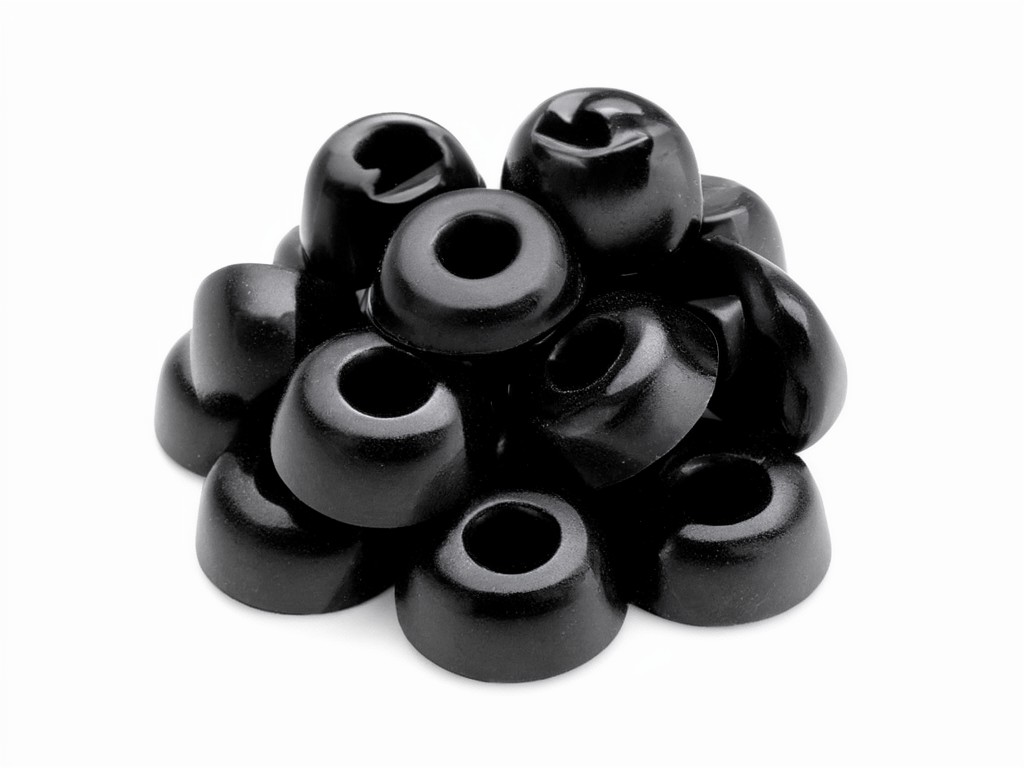
Factory Price black dome head nuts vendor: Specification, Ordering and Quality Notes
The complaint that repeats across reorders is a dome nut that looks right in the sample but does not seat consistently on the customer’s stud. A small mismatch in thread pitch, cap depth or finish thickness can turn a low-cost fastener into assembly delays and warranty claims. For a private-label order, the approved drawing and retained sample need to define the fit—not the product name alone.
Design Constraints Behind the Specification
| Customization point | Information to lock before production | Why it affects the reorder |
|---|---|---|
| Thread | Nominal size, pitch and thread direction; specify the mating stud or drawing where needed. | A visually similar thread may bind or have excessive play. |
| Nut envelope | Across-flats dimension, overall height and internal dome depth. | The stud must clamp the joint before its end bottoms against the closed cap. |
| Black finish | Finish type, colour expectation and any corrosion exposure requirements. | Finish process affects appearance, corrosion behaviour and thread fit. |
| Private-label pack | Pack quantity, label artwork, SKU details and carton marking. | A fixed pack specification reduces relabelling and receiving errors across lots. |
Cold heading forms the closed dome and outer body; tapping creates the internal thread. The economical choice is usually a standard size and existing tooling. A non-standard cap depth or across-flats dimension can add tooling work and make replacement sourcing less flexible.
Set cap depth from the longest expected stud projection, with enough clearance for the joint to clamp first. If the nut is intended only to cover exposed threads, state that use clearly; a decorative cap nut should not be treated as a structural substitute unless its material and load requirements have been specified.
How It Performs in Use
The dome covers the exposed end of a threaded stud, which reduces snag points and helps shield the thread tip from handling damage. Fit still depends on pitch, internal depth and coating build. If the cap bottoms before the joint faces meet, the assembly can feel tight without achieving the intended clamping condition.
| Construction route | Cost and production consideration | Trade-off to confirm |
|---|---|---|
| Carbon steel with black oxide | Often a cost-conscious route for controlled indoor or low-corrosion service. | Corrosion protection is limited; confirm whether the service environment calls for another finish. |
| Carbon steel with black zinc plating | Adds a plated finish step and may suit buyers who need more corrosion protection than black oxide can offer. | Plating build and coverage can affect fit and appearance; confirm the finish against the mating thread. |
| Stainless steel with a black surface treatment | Usually carries a higher material and finishing cost. | Specify the required appearance and service conditions; black treatments differ in wear and corrosion behaviour. |
Choose the finish by exposure, not colour alone. Moisture, cleaning chemicals and handling abrasion can change black appearance or expose the base metal; a cheaper unit price may cost more if finish wear drives returns or replacement claims.
Who Uses It and Where It Matters
Distributors, procurement teams and private-label buyers commonly specify black dome head nuts for equipment assemblies, furniture fittings, fixtures and other products with exposed threaded ends. The application may be chosen for a covered thread tip and a consistent black appearance; buyers still need to match the nut to the assembly’s actual load and exposure conditions.
Repeat OEM Programme
Keep the approved drawing, finish description, pack configuration and sample reference tied to the part number. That discipline helps a later lot match the first production batch without a redesign.
Distributor Stock Line
A standard thread and body size can simplify replenishment across customer accounts. Distinguish finish variants with controlled SKU and carton labels so visually similar stock does not get mixed.
For either channel, approve the real assembly rather than relying on a catalogue description. Check the nut on the customer’s stud length and confirm that black shade variation is acceptable across the planned batch size.
Capacity, Tooling and Scheduling
Repeat orders are easiest to schedule when the thread, body dimensions, finish route and packaging remain fixed. Standard sizes can use existing forming and tapping tooling; a change to cap depth, external profile or thread detail may require a tooling review and a new sample approval before a production slot is set.
For batch consistency, align the purchase specification with the production checks: thread fit can be checked with suitable thread gauges, while across-flats, height and cap depth can be compared with the approved drawing. Finish appearance and coverage also need an agreed sample reference. These checks help identify a dimensional or appearance shift before cartons reach the distributor, but they do not replace validation on the buyer’s assembly.
MOQ and lead time depend on size, material availability, finishing capacity, tooling status and pack requirements. A larger order may improve unit cost, but excess stock, finish mismatch or repeated relabelling can erase that saving. For a first private-label run, factor sample approval and artwork confirmation into the schedule rather than treating them as post-production tasks.
Setup, Use and Replacement Parts
During setup, confirm that the nut starts by hand on the mating stud and reaches the joint without binding. Use a suitable tool on the flats; gripping the dome can mark the finish or distort the cap. Do not use the covered end as a torque feature.
If the assembly is exposed to moisture or cleaning agents, check the finish condition during routine service. Replace a nut if its thread binds, the cap is deformed, or coating loss exposes the base metal in an environment where corrosion matters. Keep the replacement tied to the original thread, dimensions and finish specification so fit and visible appearance do not drift from the approved build.
Ordering, Tooling and Lead-Time Questions
What information prevents a cap-depth mismatch?
Provide the stud size and pitch, projected thread length after assembly, required nut height and any drawing or physical mating sample. The stud must not bottom inside the dome before the joint is clamped.
Can a black finish be matched on a repeat private-label order?
A retained approved sample and a named finish route give production a clearer reference than “black” alone. State acceptable appearance variation and confirm whether the application needs added corrosion protection.
What can extend the first-order schedule?
Non-standard dimensions, new tooling, an unapproved finish sample, label revisions and custom pack quantities can each add a review or production step. Confirm these items with the quotation so the schedule reflects the actual order configuration.
Review the Specification Before Quotation
Send the drawing or mating sample, thread details, finish requirement, target quantity and private-label packaging notes for a quote review. The factory can confirm whether the specification fits existing tooling or needs a sample and tooling assessment.
Request a quotation review