


top quality different types of nuts bolts and washers suppliers - Bulk Supply and Specification Guide
Matching the Product to the Buyer's Need
Before comparing quotations, confirm the joint's required dimensions, material, strength class, finish and service environment. A bolt that fits the hole can still fail the specification if its thread pitch, grip length or coating differs from the approved sample. Match the fastener set to the drawing and operating conditions first; compare price only after those details align.
For repeat orders, buyers commonly source hex bolts and nuts, socket head screws, carriage bolts, flat washers and lock nuts as separate lines or matched kits. Cold heading with thread rolling suits many standard steel fasteners; machining is a more practical route for unusual geometry or lower-volume parts. The right choice depends on the drawing, quantity and whether the assembly needs a consistent clamp load or simply a replaceable fixing.
- For general machinery and fixtures, specify diameter, pitch, length, head form and strength class, then confirm nut and washer compatibility.
- For damp or outdoor service, set the base material and coating against the actual exposure; a stainless option may cost more but can reduce corrosion-related replacement.
- For equipment exposed to vibration, define the locking method at assembly level. A spring washer alone does not guarantee resistance to loosening.
Assumptions Buyers Should Stop Making
| Service condition or complaint | Specification decision | What the choice addresses |
|---|---|---|
| Rust appears before the expected service interval. | Specify base material and finish for the actual moisture, chemical and handling exposure. | A finish suitable for indoor storage may not protect a fastener in persistent outdoor exposure. |
| Nuts bind, cross-thread or do not seat consistently. | Lock down thread diameter, pitch, tolerance and coating condition across mating parts. | A nominal size match does not correct a pitch mismatch or coating buildup on the thread. |
| Bolts stretch, fracture or lose clamp force under load. | Specify the required strength class and confirm the joint design, tightening method and mating nut. | A higher strength class is not a substitute for correct joint design or controlled installation torque. |
| Washer edges deform or damage the clamped surface. | Set washer inner diameter, outer diameter, thickness and material to suit the bearing area. | A washer that is too thin or too small can concentrate load rather than distribute it. |
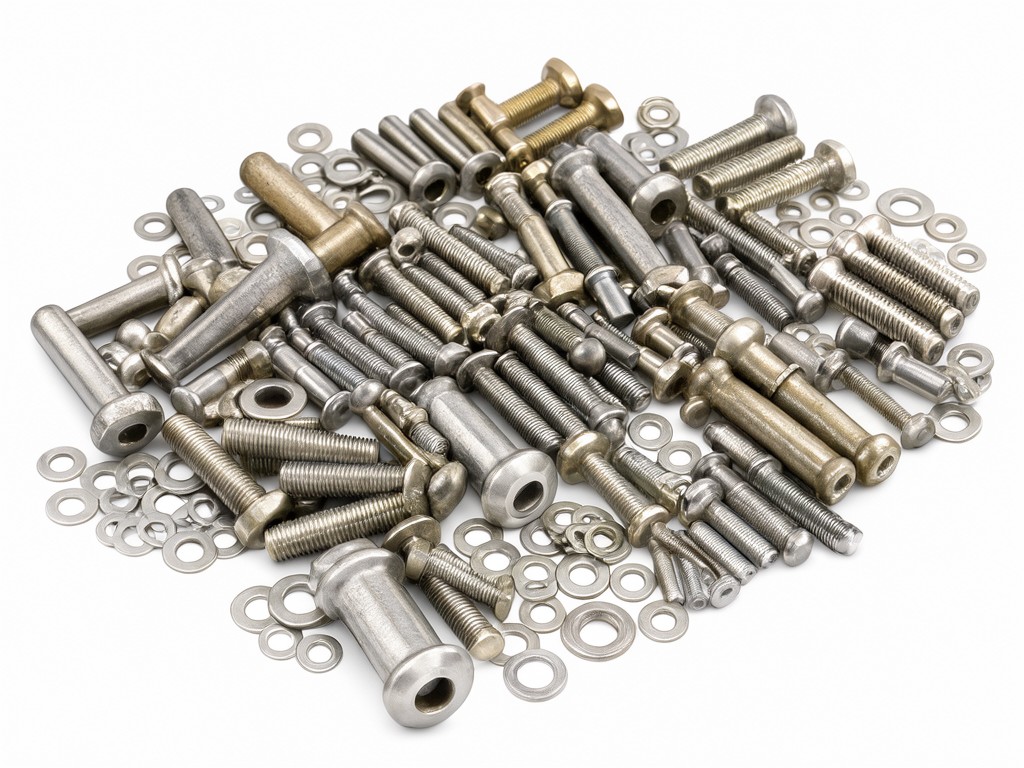
Two suppliers quoting the same specification may still differ in how they control thread fit, coating thickness and lot separation. Ask how the approved drawing and sample govern production, not just whether a catalogue description appears to match. A sample that assembles once is not proof that every production lot will do so.
What Can Be Customised and What Cannot
Unit price and service life diverge when a lower-cost material or finish does not suit the assembly environment. Set performance-critical dimensions, material and strength class as fixed controls; use packaging, marking and approved finish choices as the main commercial variables.
Custom options can include head style, length, thread form, washer dimensions, nut type, material, coating, colour where the finish allows it, and private-label packaging. A drawing can define non-standard dimensions, but changes to a load-bearing feature may require a new engineering review rather than a direct substitution. Tooling availability and order volume also affect the cost of unusual head forms or custom dimensions.
Do not treat a finish change as a label-only revision. Coating can affect thread fit and tightening behaviour, while material changes can alter strength, corrosion response and price. Keep an approved sample and revision-controlled drawing as the reference for every reorder.
OEM and ODM Programme Structure
OEM: Build to the Released Specification
Send the drawing, material and finish requirements, item codes, packaging details and approved sample. The supplier produces to that reference, so a clear revision record helps prevent mixed dimensions or unapproved substitutions on repeat orders.
ODM: Resolve a Specification Gap
Share the assembly conditions and the parts that must remain unchanged. The supplier can propose a standard fastener or a drawing adjustment for review, but the buyer should approve fit, material and finish before production release.
For private-label supply, agree carton or bag quantities, item identification, label artwork and mixed-SKU packing before the production order. MOQ and lead time depend on the fastener type, finish, tooling status and whether materials can be consolidated across lines. A pre-production sample is a useful checkpoint for dimensions, assembly fit and pack presentation; it does not replace the agreed inspection plan.
Inspection Items and Test Methods
Dimensional checks should cover diameter, length, head dimensions, thread pitch and washer thickness against the released drawing. Thread gauges can check fit, while visual inspection can identify burrs, damaged threads, plating skips and handling marks. For higher-risk orders, agree the sampling plan and acceptance limits before production; the inspection record should identify the lot and drawing revision.
Material and strength verification should match the specified fastener class and buyer requirements. Hardness or tensile testing may be appropriate for the order; coating thickness checks and corrosion exposure tests can help assess a finish, but results depend on the agreed method and acceptance criteria. Torque checks are meaningful only when the nut, bolt, washer, lubrication state and installation setup match the intended assembly.
Ask for the inspection scope before shipment if field replacement costs are significant. Clear records for lot identification, measured dimensions and finish checks make a complaint easier to trace to a specific order or process stage.
Discuss the specification before requesting a bulk quotation. Share the drawing or sample, annual demand, target materials and finishes, packaging needs and any recurring fit or corrosion complaints. That gives the supplier enough context to quote against the intended service conditions without changing the approved design.
Start a project discussion