-
 Call Now +86-15531020881
-
 Email Now [email protected]

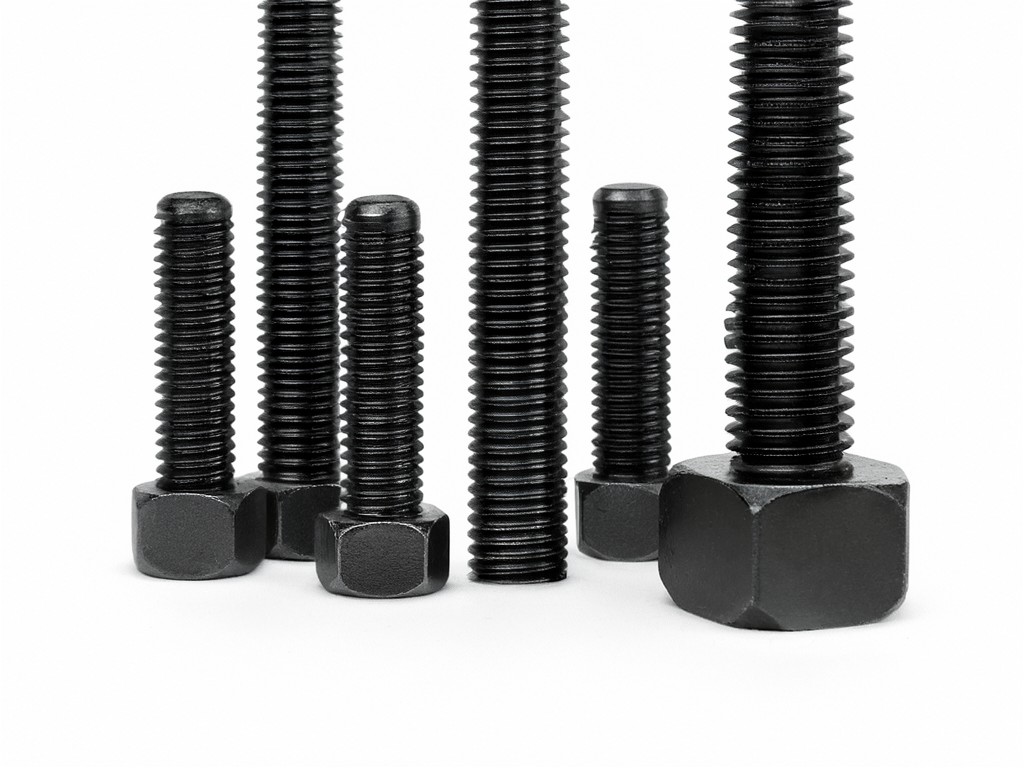

The build method decides whether a custom M6 bolt repeats cleanly across production lots. Cold heading forms the hex head from wire, then thread rolling forms the threads; finish is applied after
Tooling amortisation decides whether a custom U-bolt is economical at the order quantity, not just the quoted price per piece. For distributor and club purchasing teams working to a launch date, the
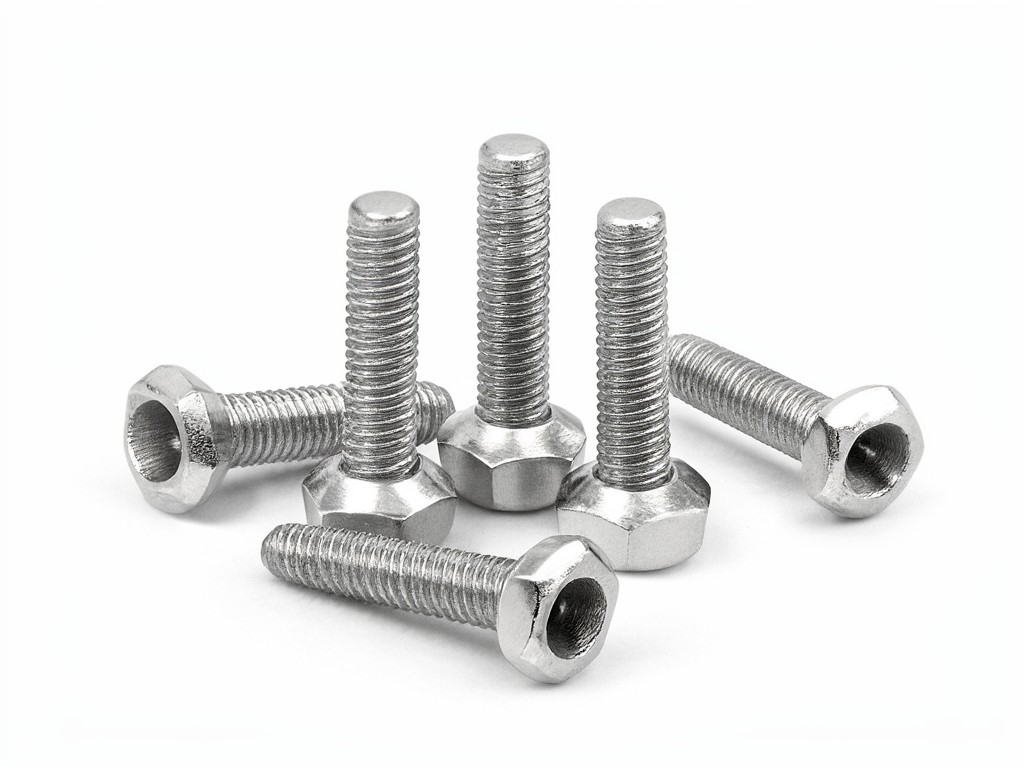
Before comparing quotations, confirm the thread engagement, overall length, material and finish against the mating parts. Those details drive fit at assembly and help prevent warranty returns on
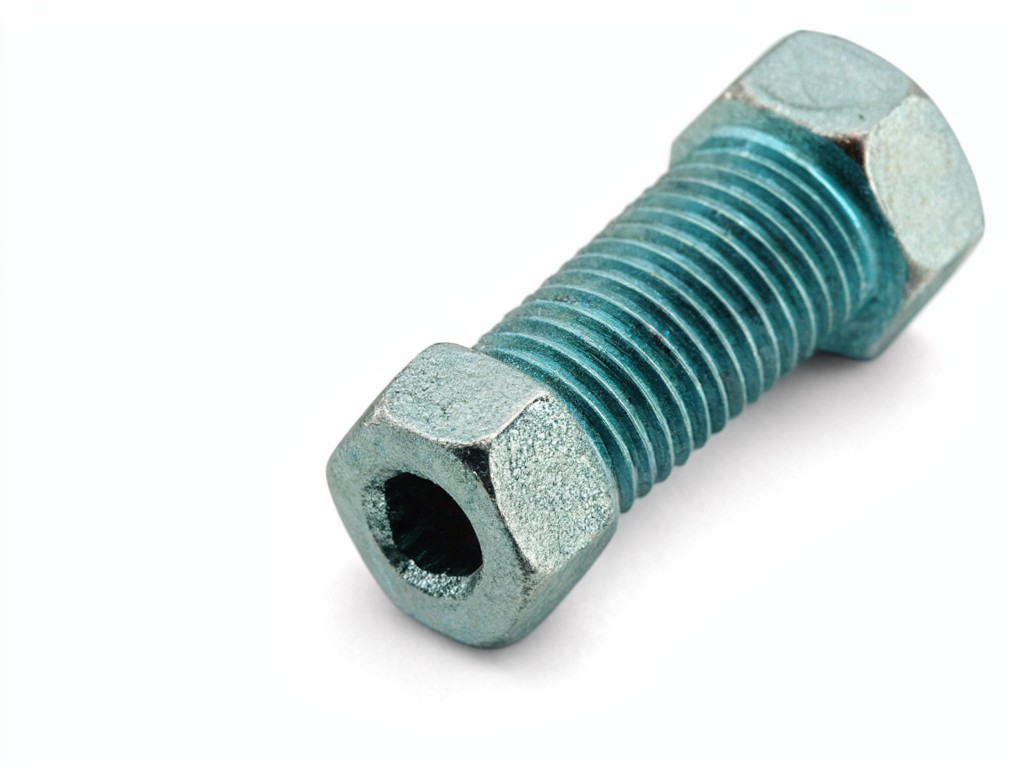
The interface between parts determines whether an M6 × 35 mm hex bolt seats cleanly, holds clamp load and can be removed for service. A nominal diameter and length alone do not define that fit:
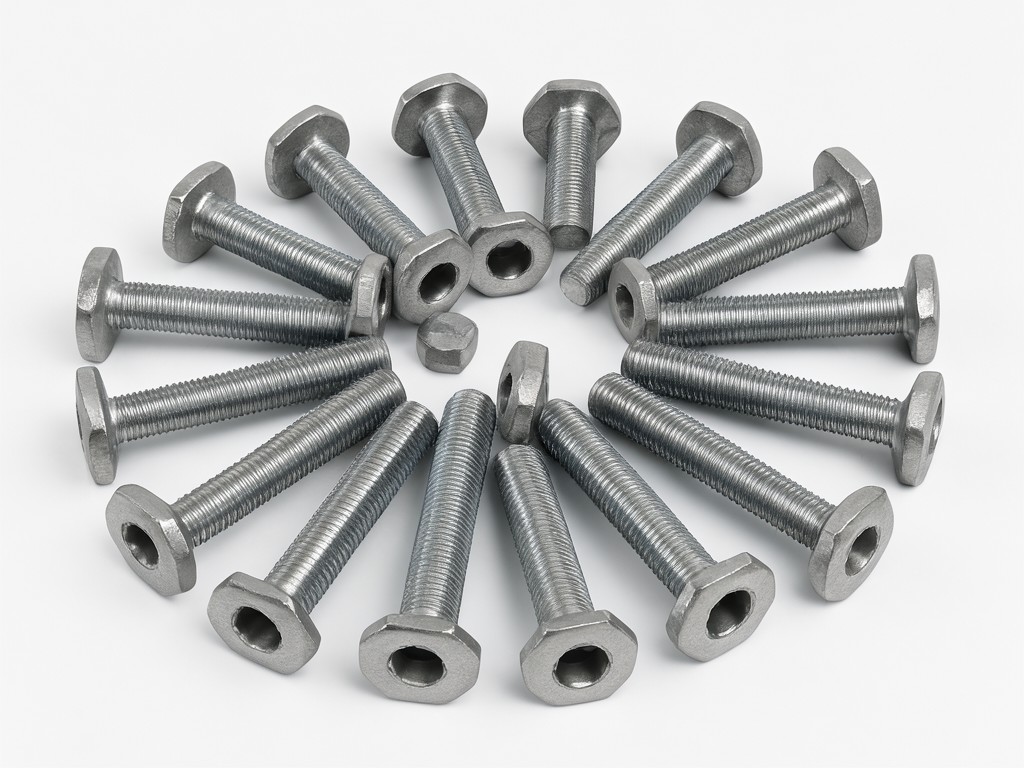
The complaint that repeats across reorders is a bolt that fits the nominal M6 thread but does not seat like the approved part. A different flange diameter, head height, or thread pitch can change
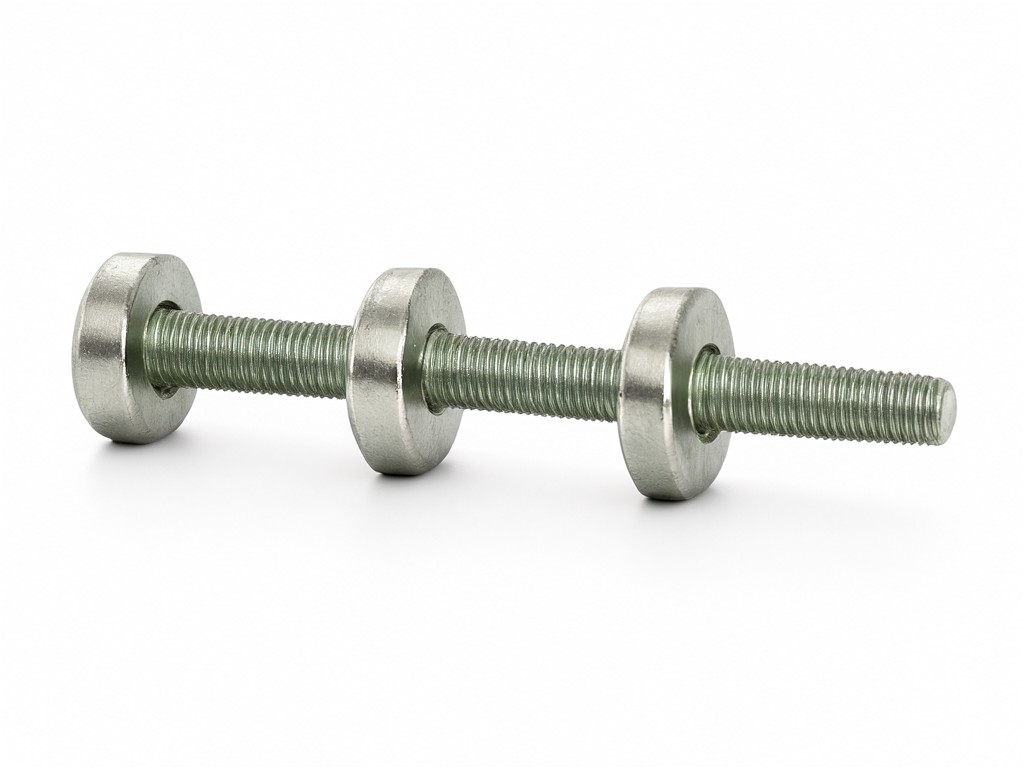
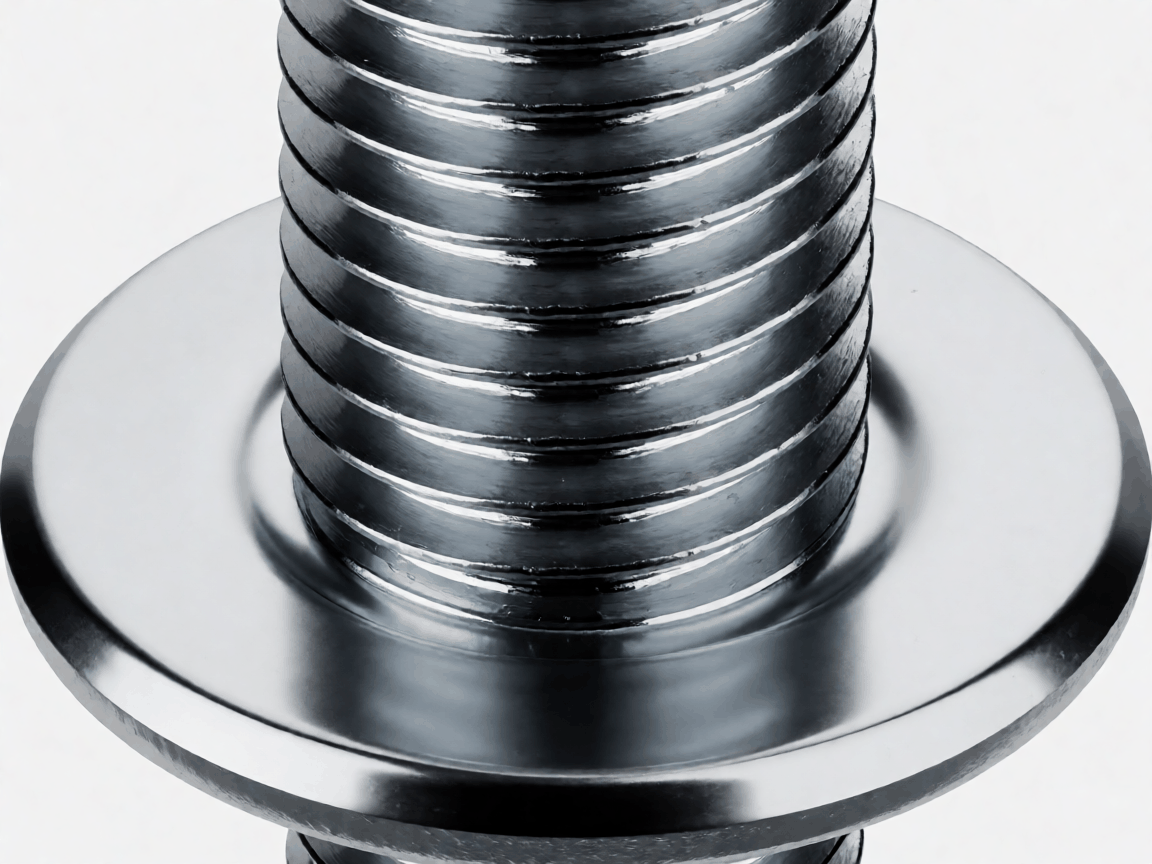
Cost and durability pull in opposite directions once a fastener sees moisture, perspiration or outdoor storage. A typical M6 flange bolt is cold-headed, then thread-rolled; its integral flange
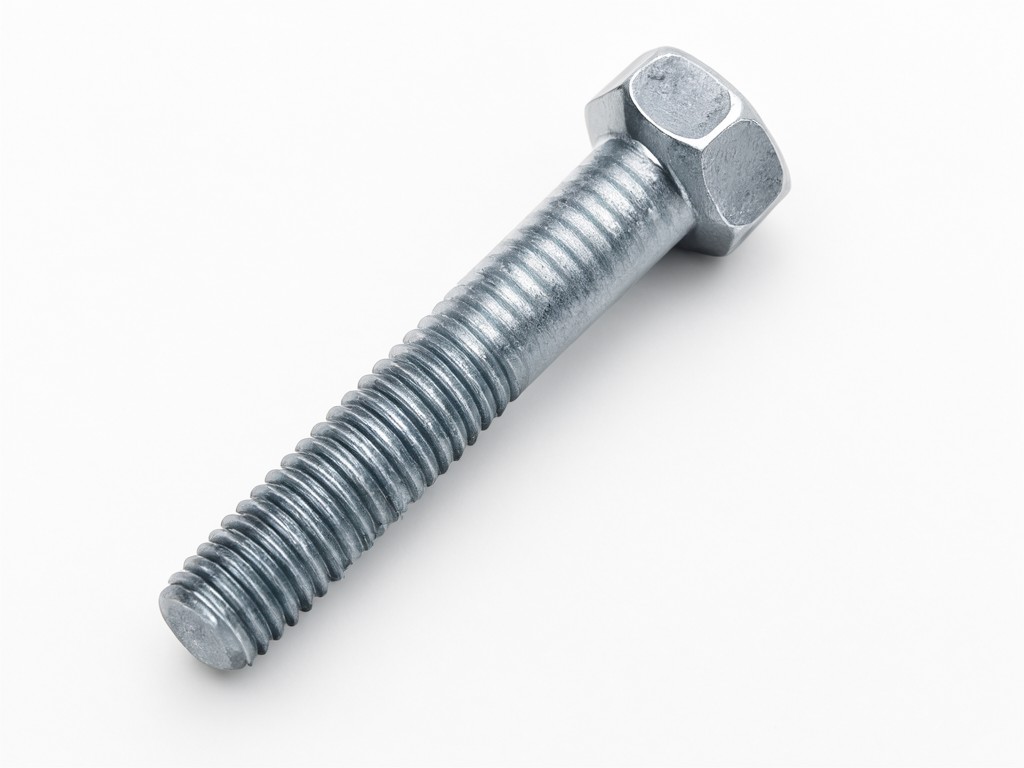
Consistency is set at the forming stage: a 150 mm bolt needs controlled blank length and straightness before the thread and final dimensions can be checked. Cold forming with thread rolling suits
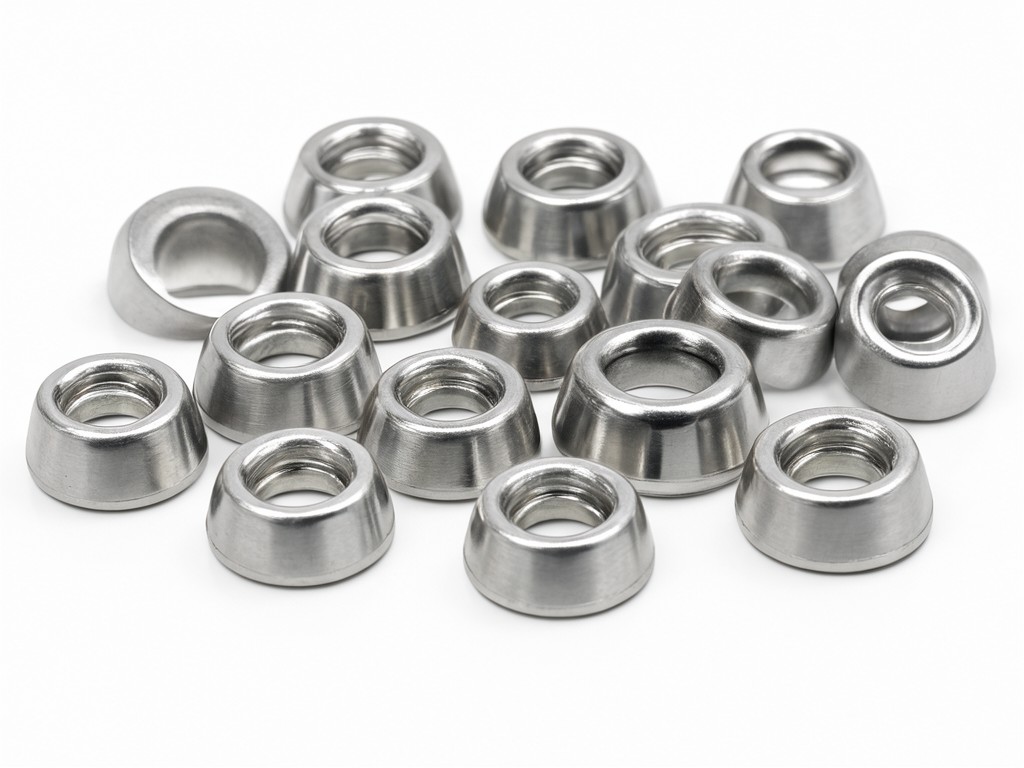
Material choice starts with the conditions the fastener will meet. For indoor assemblies with limited moisture exposure, 304 stainless steel is often the lower-cost starting point; repeated contact
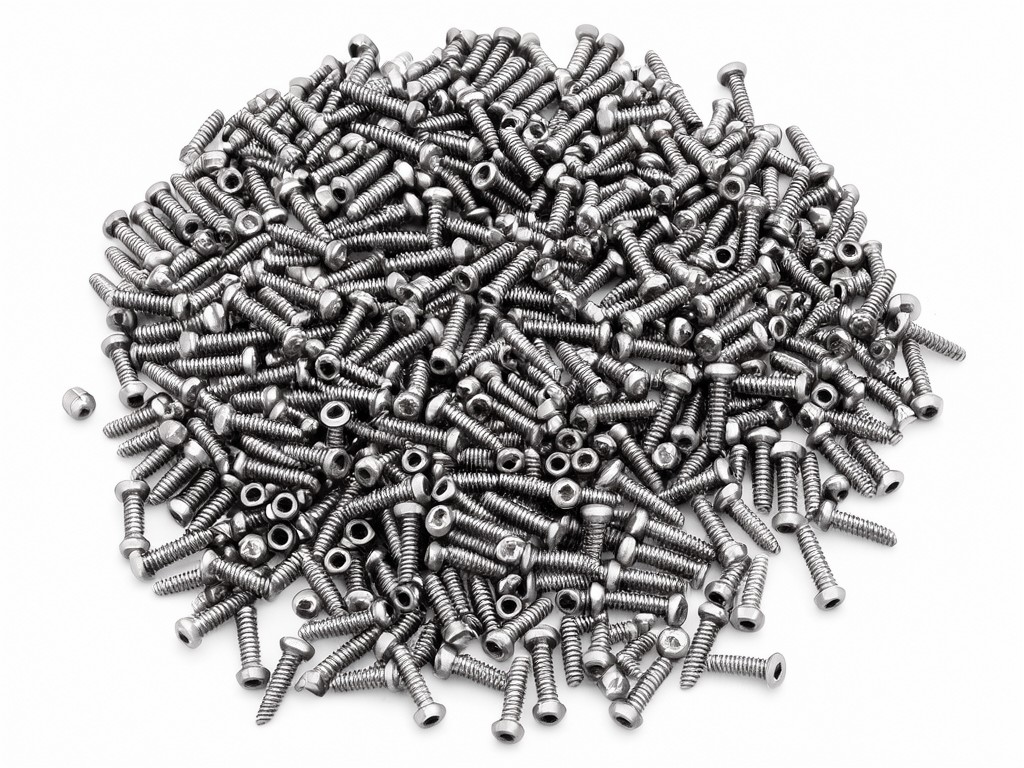
A lower-priced M6 screw only saves money if the thread, head geometry, material and finish stay within the approved specification across repeat lots. A small drift can cause assembly stoppages, mixed
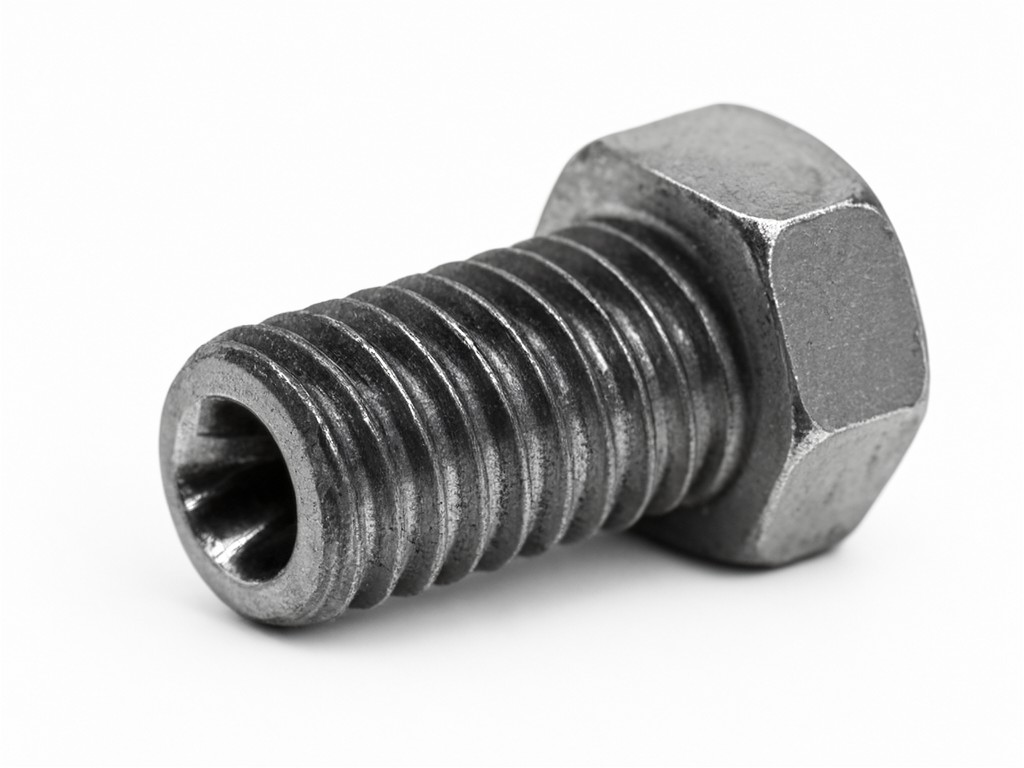
Most quality disputes start with a consistency gap between a first order and its repeat: a socket that sits differently on the driver, a head height that changes stack-up, or a thread that feels
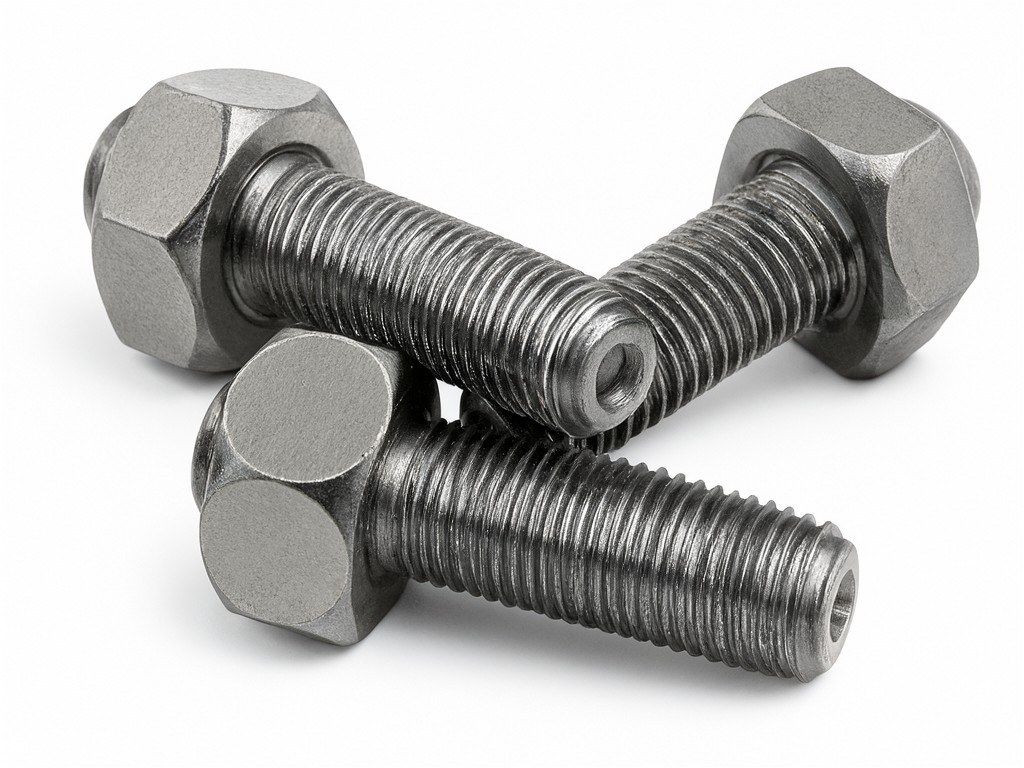
When a brand extends an existing range, a flange bolt that looks close can still cause assembly delays. A change in flange diameter, under-head length or thread fit can alter tool access and joint
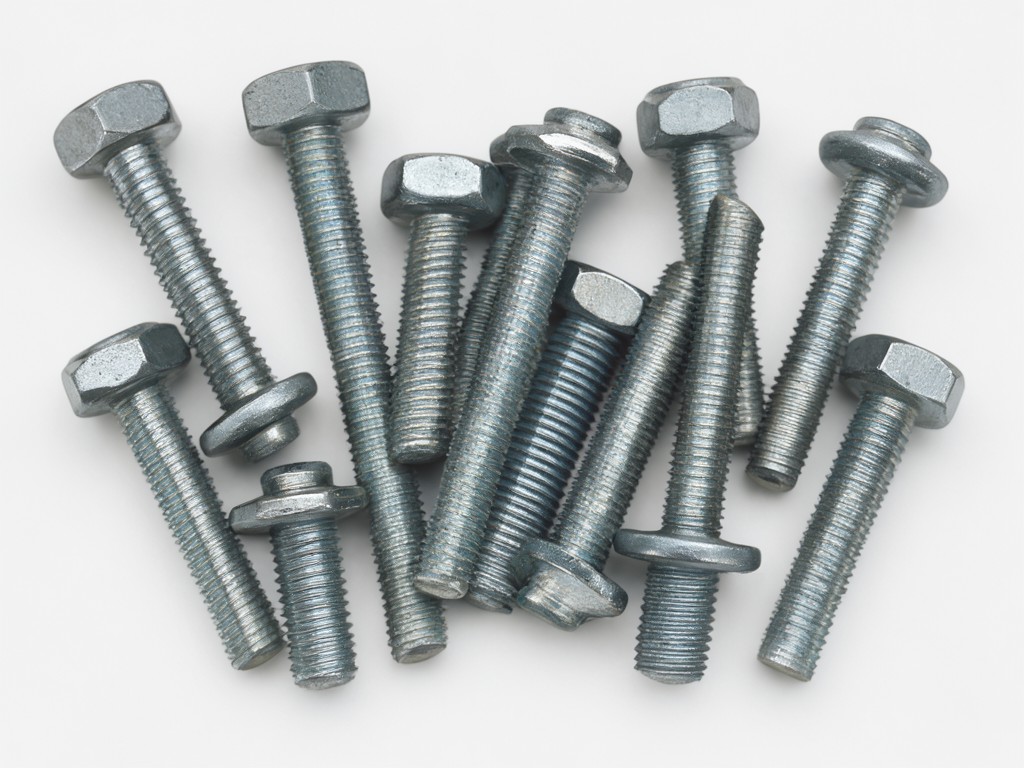
Balance and load analysis shows where a fastener change can affect joint clamp distribution, assembly torque and the fit of mating parts. For an OEM qualifying a second source, the drawing must
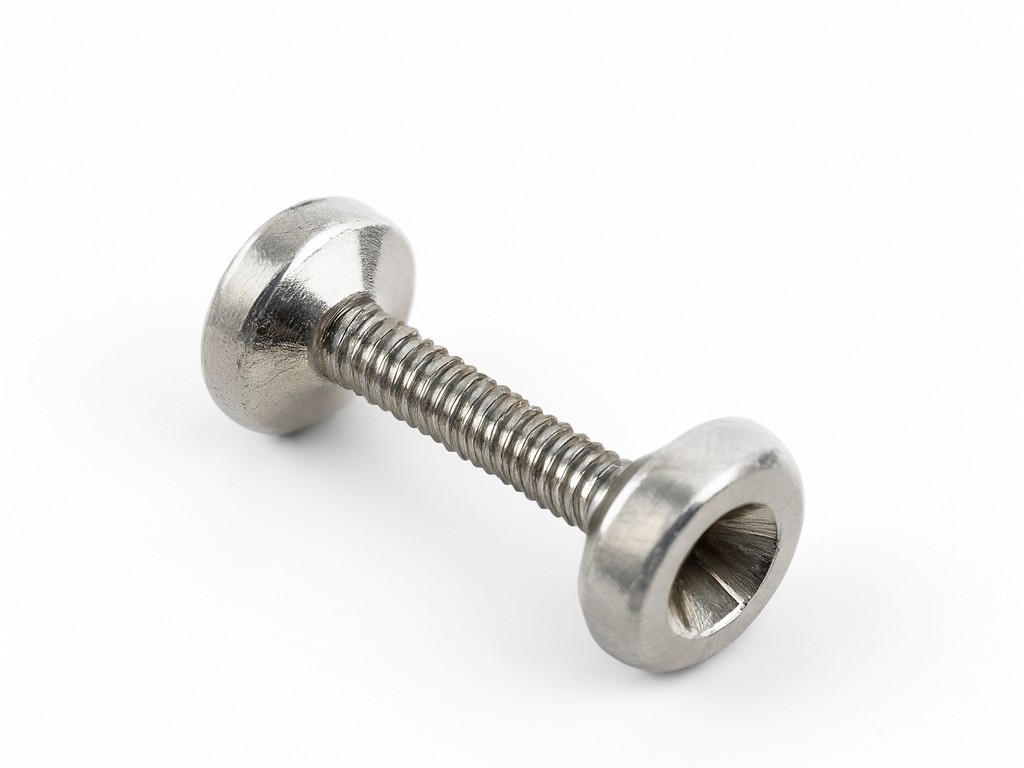
Replacement rate, not unit price, sets the real cost of an M6 double-ended stud. A low quote can lose its advantage if inconsistent thread engagement or corrosion leads to field returns across a
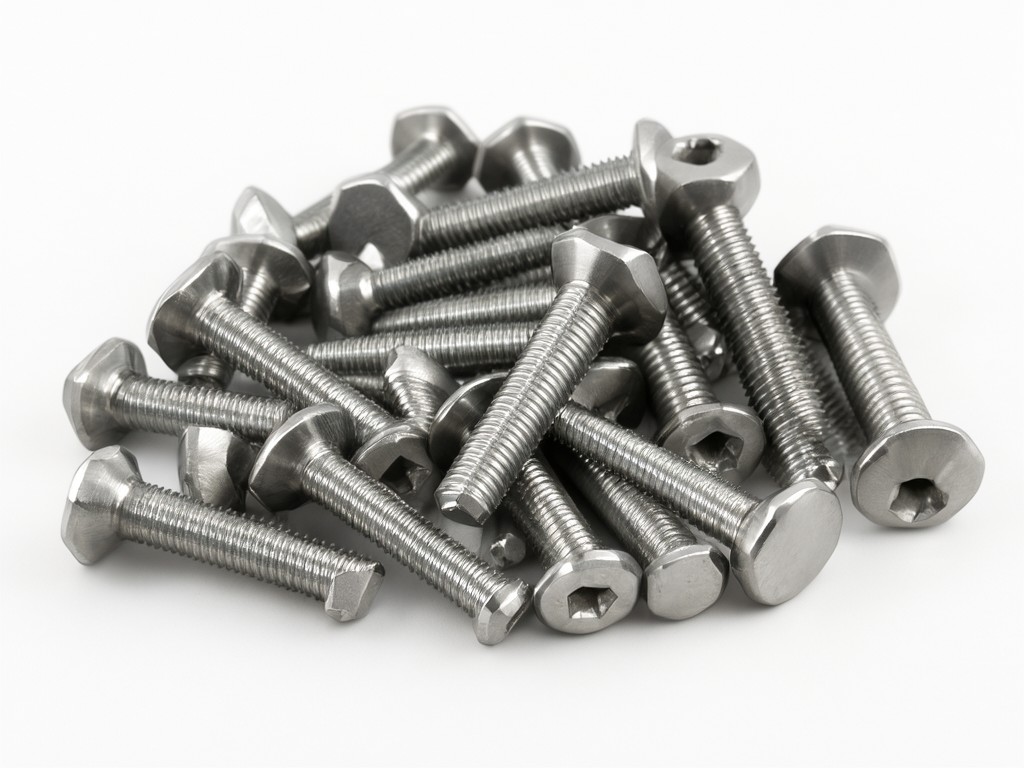
Moving from sample orders to container loads changes the risk profile for custom M4 stainless steel countersunk bolts. A small mismatch in head angle, length convention or thread fit can turn a
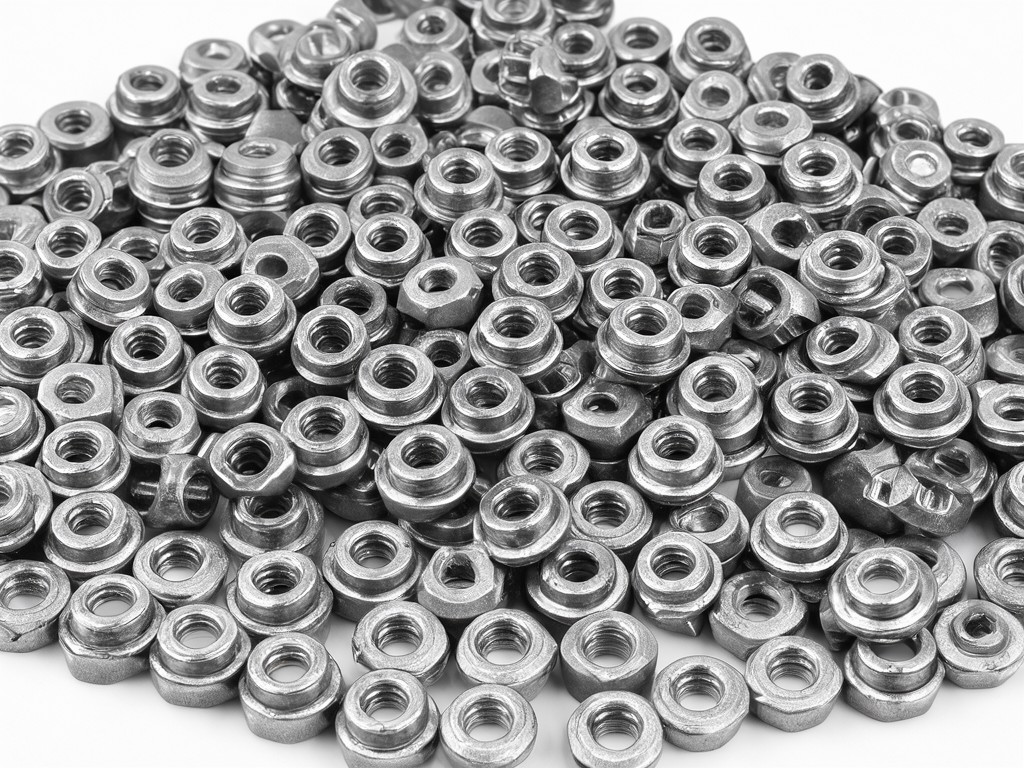
The interface between parts determines whether an M4 dome nut seats cleanly, covers the exposed stud and holds the intended joint. For a second-source review, agree the thread, hex dimensions, cap
