-
 Call Now +86-15531020881
-
 Email Now [email protected]

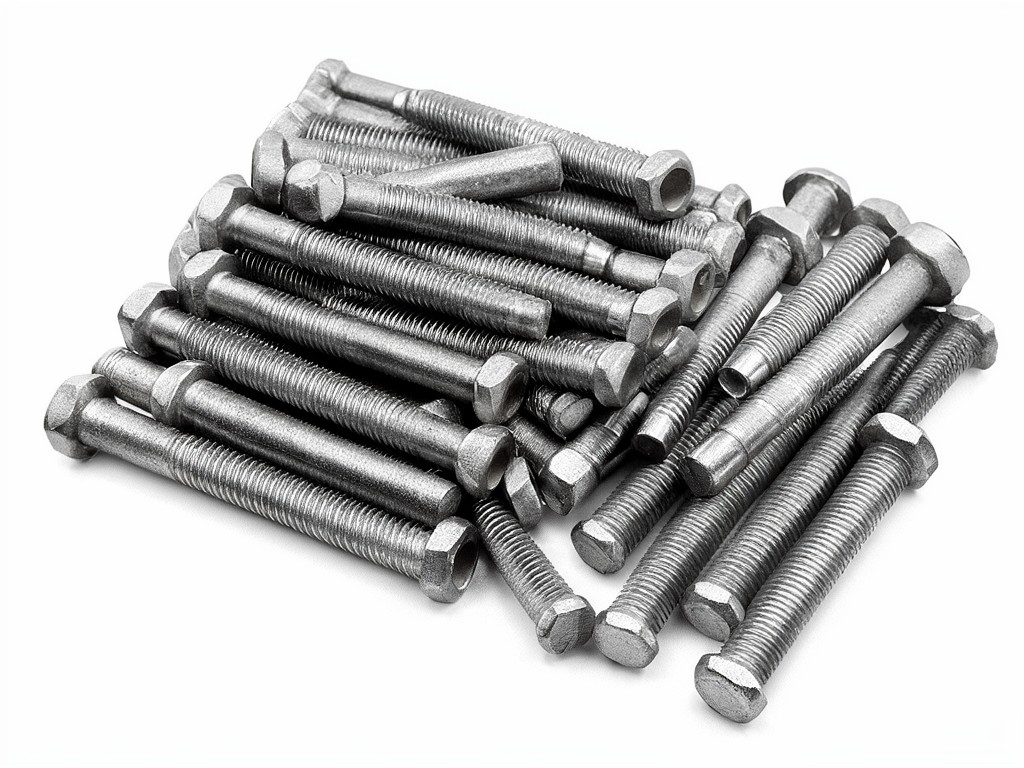

First-article tooling determines the thread profile and repeatability of each end. For bulk supply, thread rolling is the usual route for standard stud sizes; the blank and die setup must match the
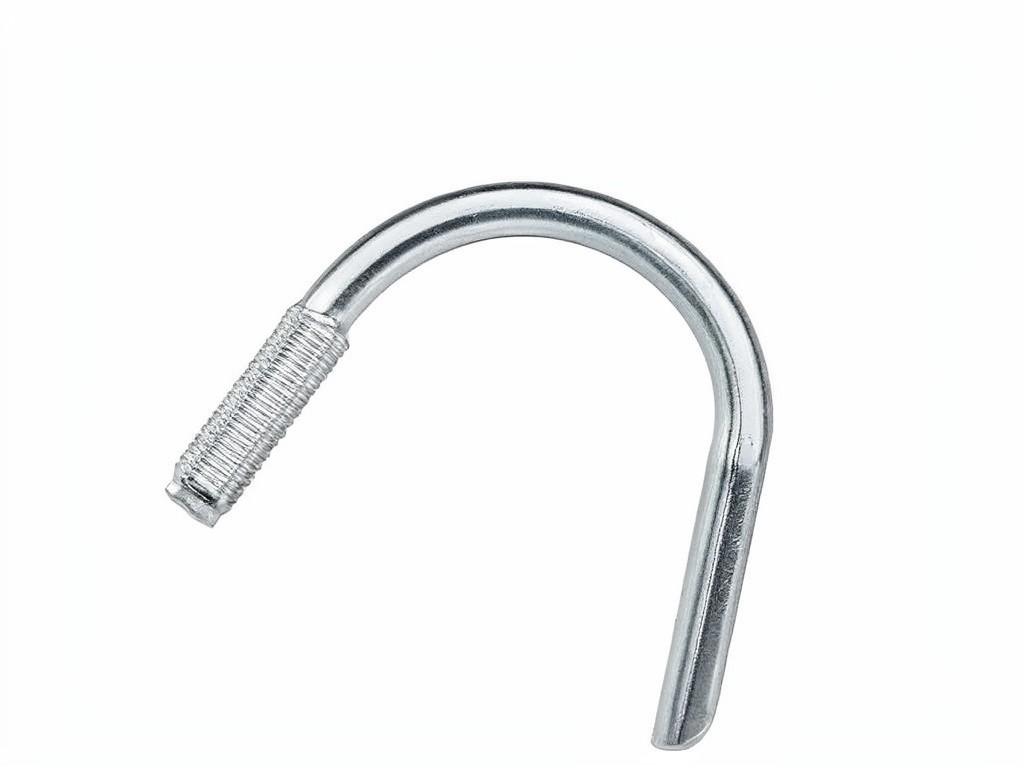
Two suppliers quoting the same specification can deliver different fit and service life if the drawing leaves the bend, thread or finish open to interpretation. Agree those details against an
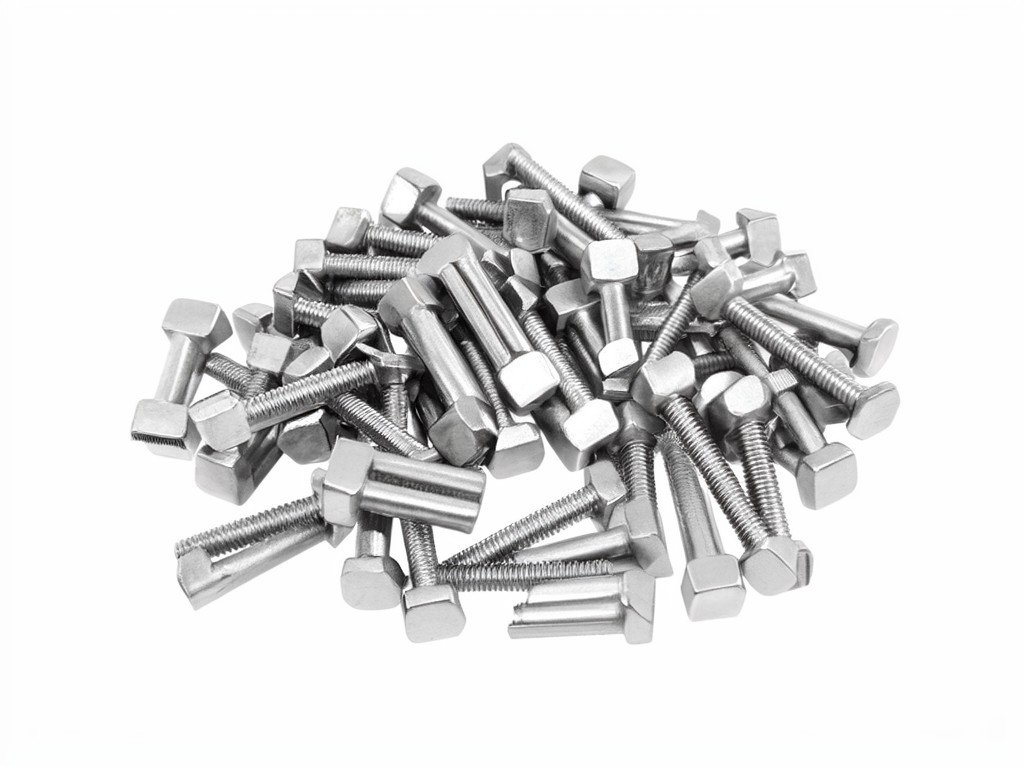
Before comparing quotations, the importer must verify the dimensional consistency of the square profile, as this geometry dictates the clamping contact area and the risk of stress concentration on
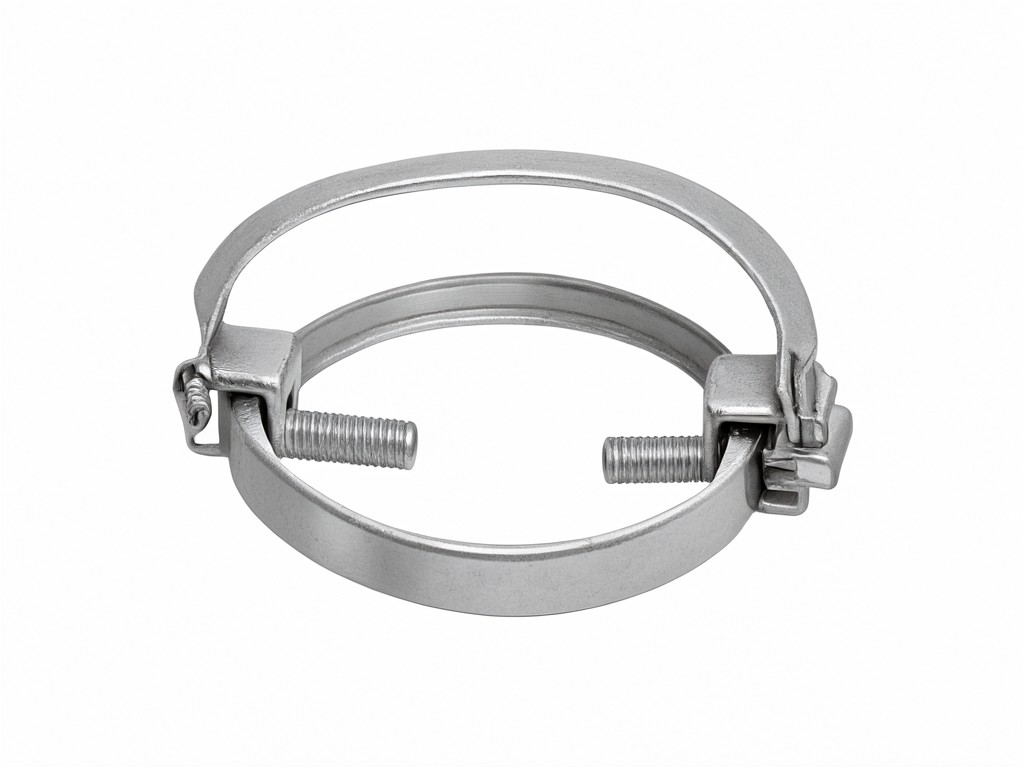
Consistency depends on the relationship between the pipe outside diameter, the U-bolt spacing, and the compressed cushion thickness. If these dimensions drift apart, installers may struggle to seat
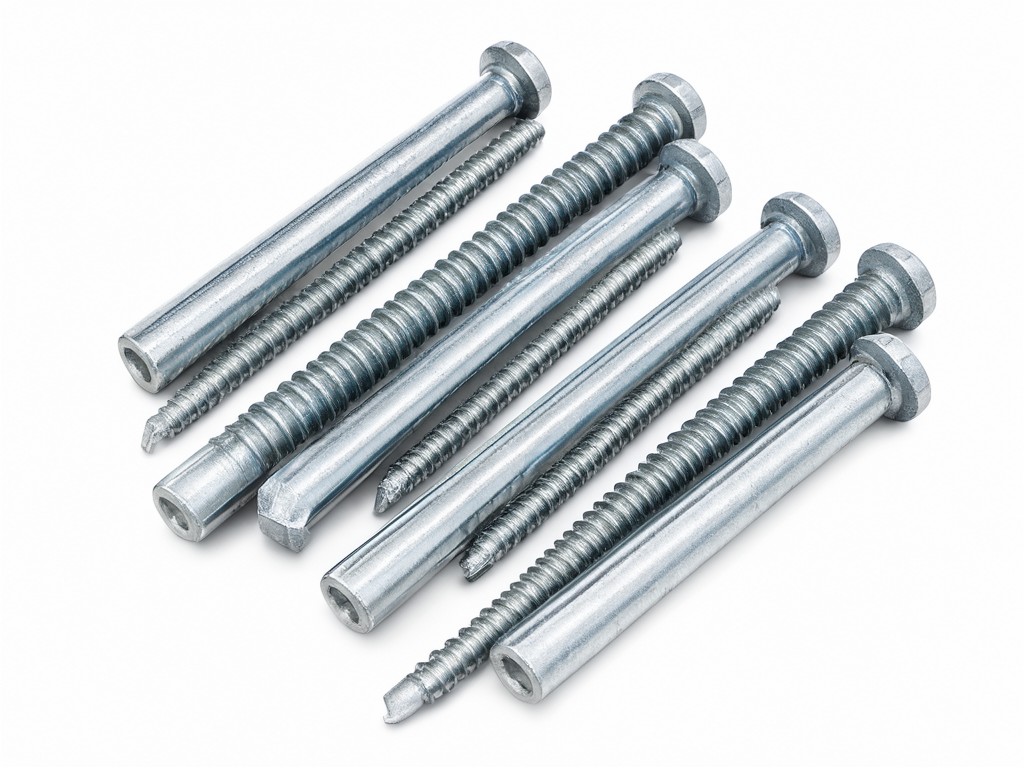
Fatigue appears at the stress concentration: often at the first engaged thread, a change in section, or the boundary between exposed and embedded rod. For importers qualifying a second source, the
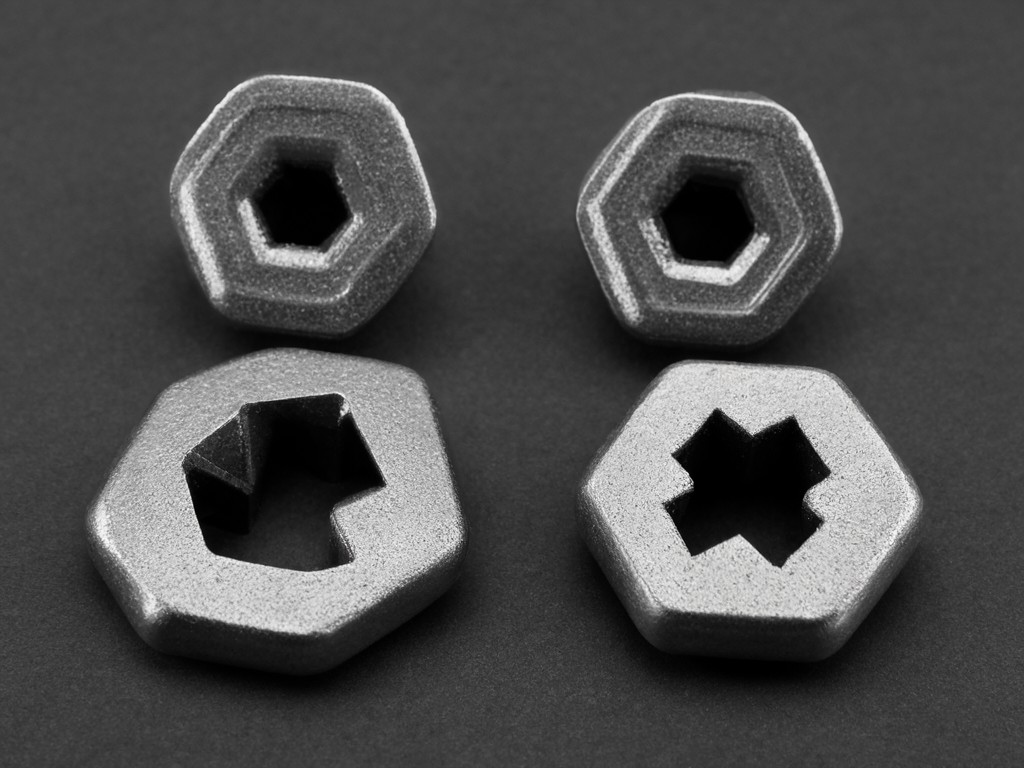
Repeat loading concentrates stress at the thread root and beneath the button head. A screw that passes a visual check can still loosen, fatigue or arrive with inconsistent drive fit across a reorder.
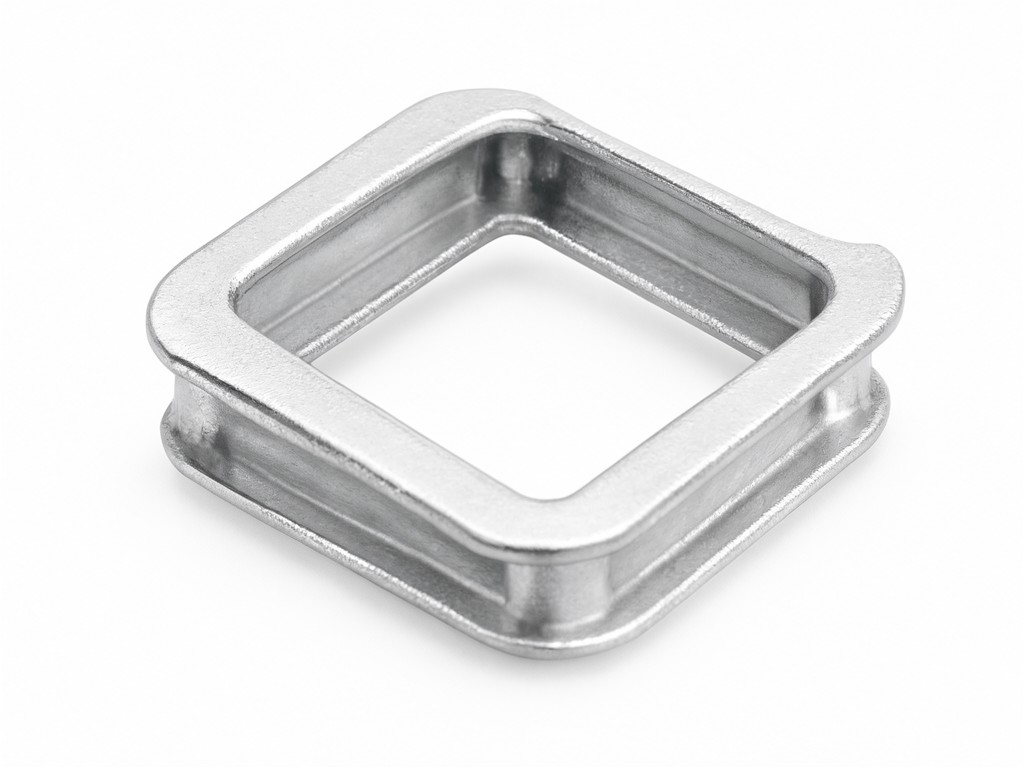
Most quality disputes start with a consistency gap: a nominal six-inch clamp may not match the buyer’s definition of width, bend clearance or thread position. A low unit price loses value when
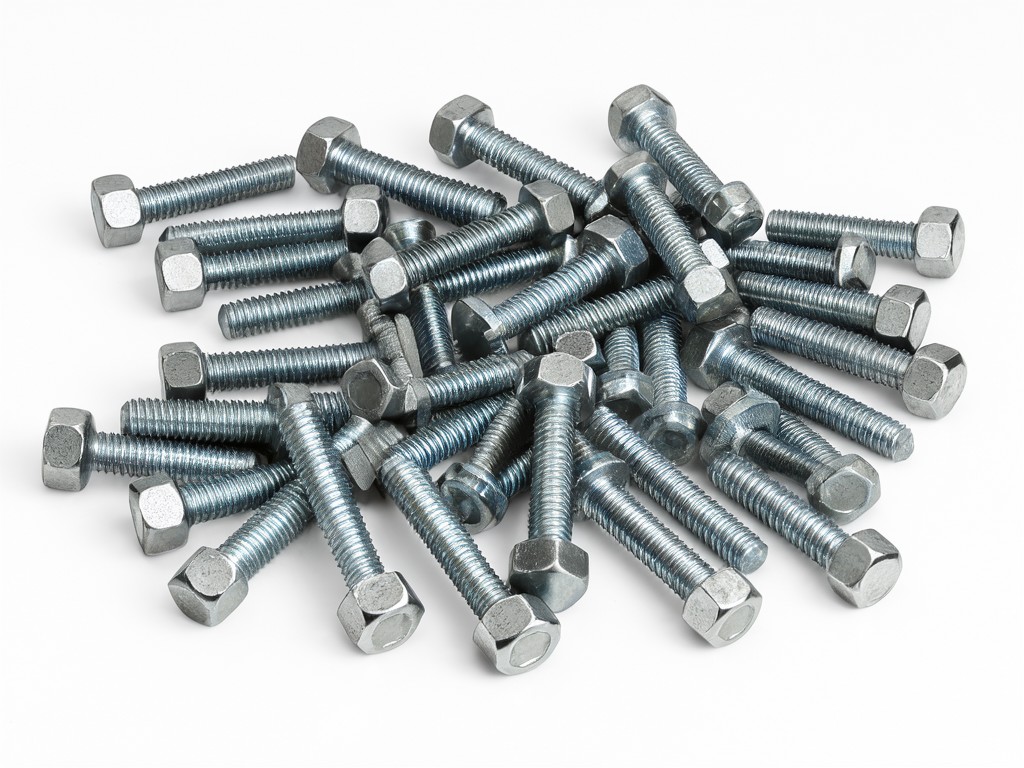
Cost and durability pull in opposite directions once the bolt’s base metal, protective finish and service environment are set. For a 14-inch hex head bolt, agree the steel grade and coating against
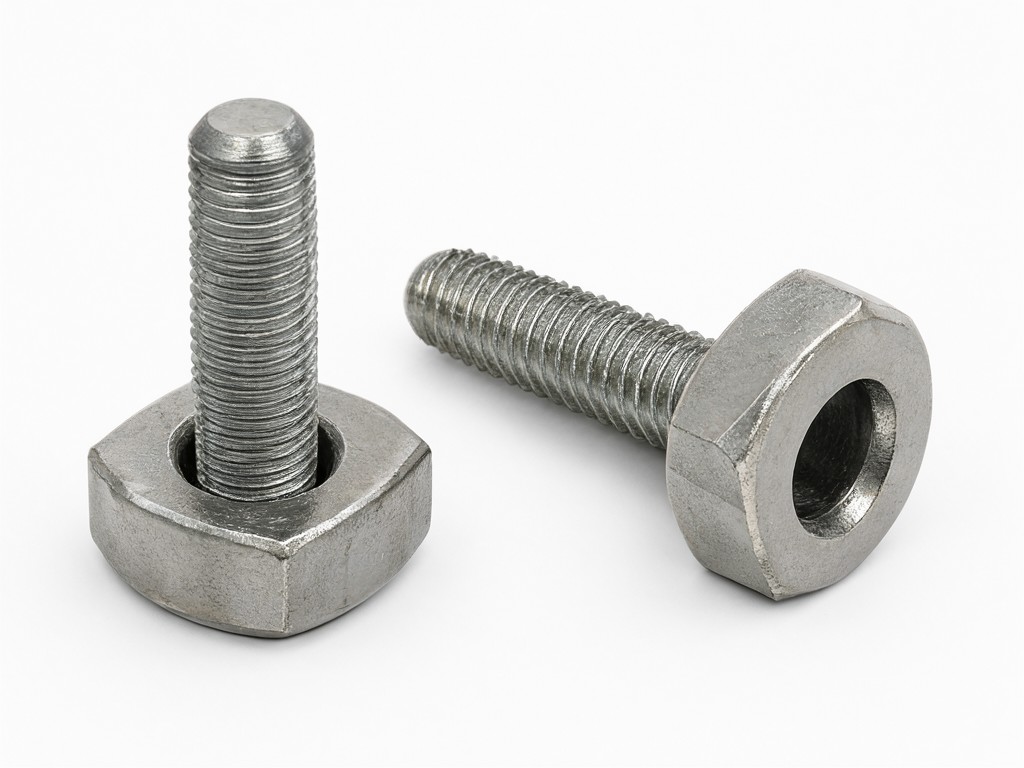
Consistency is set at the forming stage: blank length, end alignment and thread geometry determine whether the stud starts cleanly in the tapped component and accepts a nut at the exposed end. The
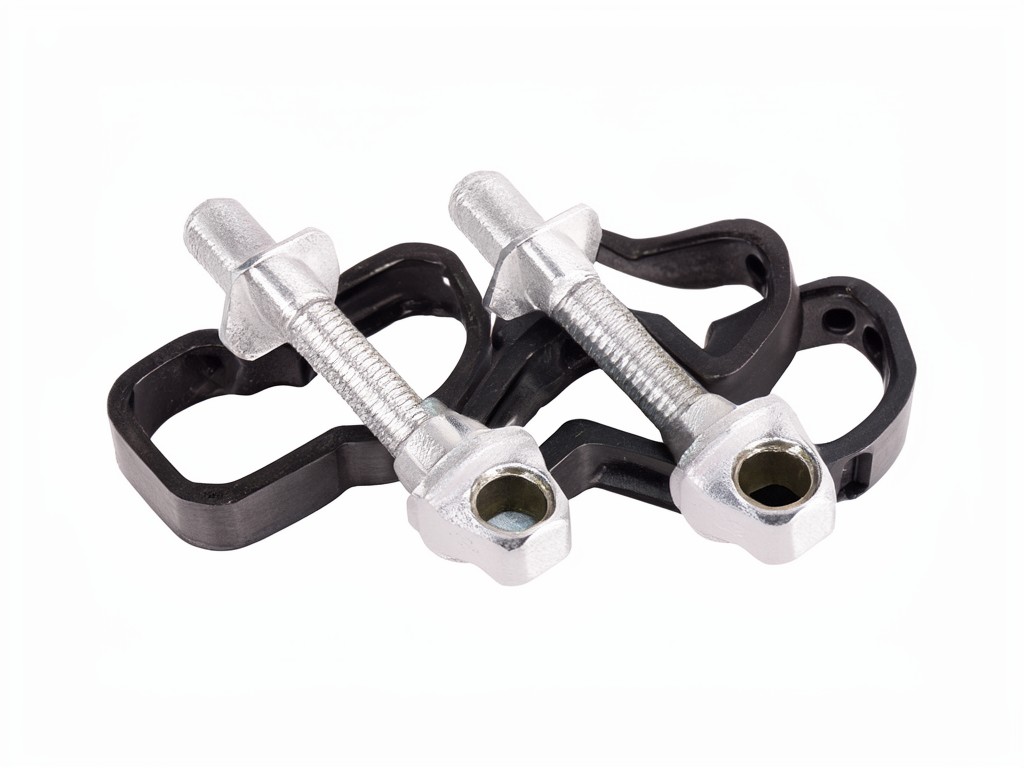
Where two pipes or tubes cross and need a mechanical hold, a U-bolt crossover clamp secures the intersecting members with a formed U-bolt and a shaped saddle or cross plate. Buyers typically specify
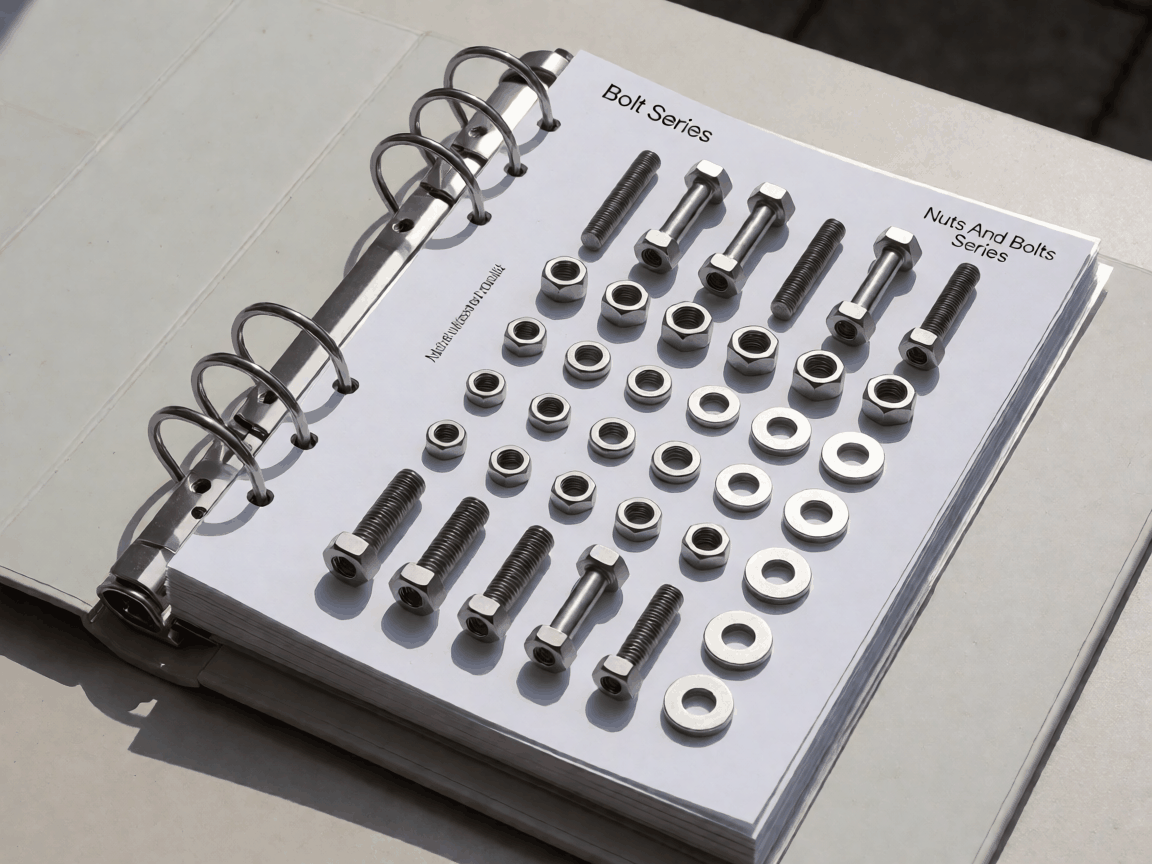
Fatigue appears at the stress concentration, usually where a U-shaped binder top turns into its legs or meets its mounting feature. A small change in bend radius, wire or strip thickness, or leg
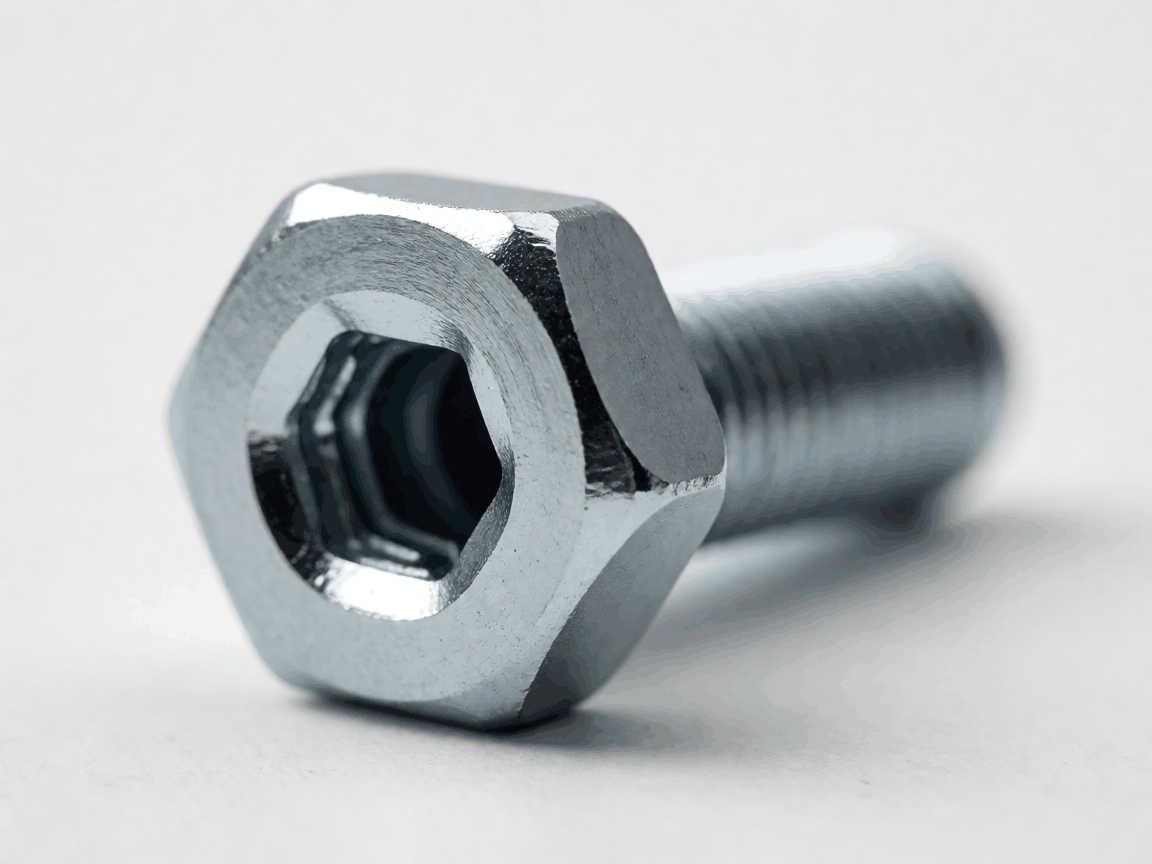
Cost and durability pull in opposite directions once material, heat treatment and finish are set against the assembly’s service conditions. Agree those choices against a controlled drawing before
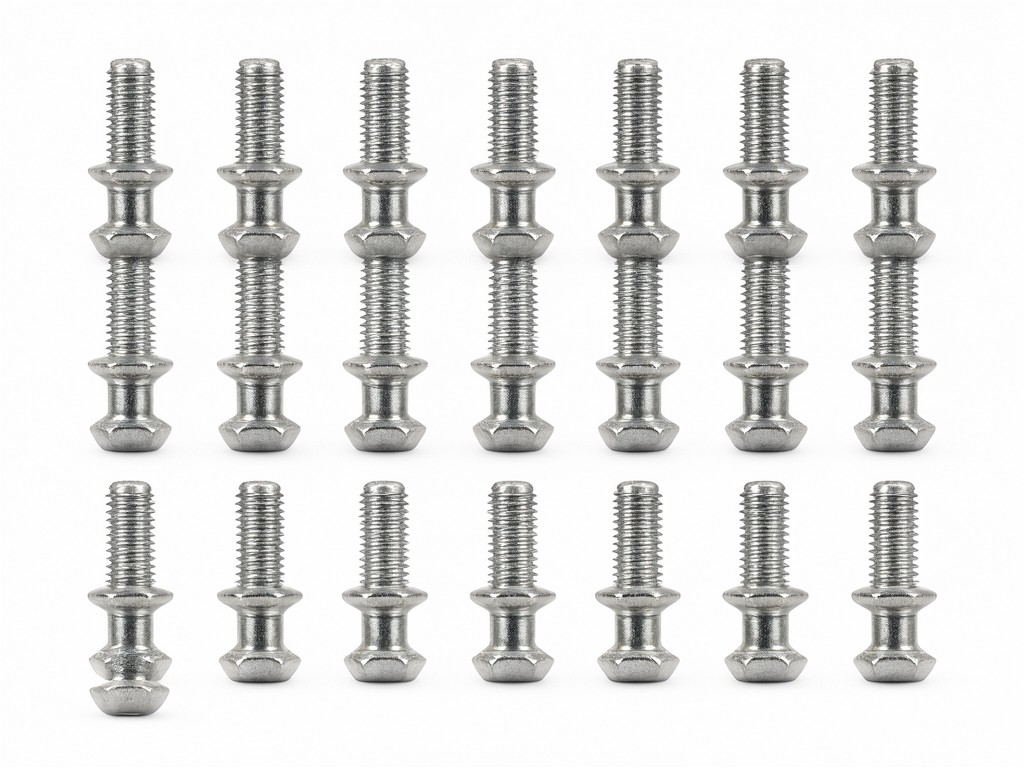
The build method decides whether a countersunk head seats flush and whether the socket remains usable after installation torque. Cold heading and rolled threads suit repeat production; unusual head
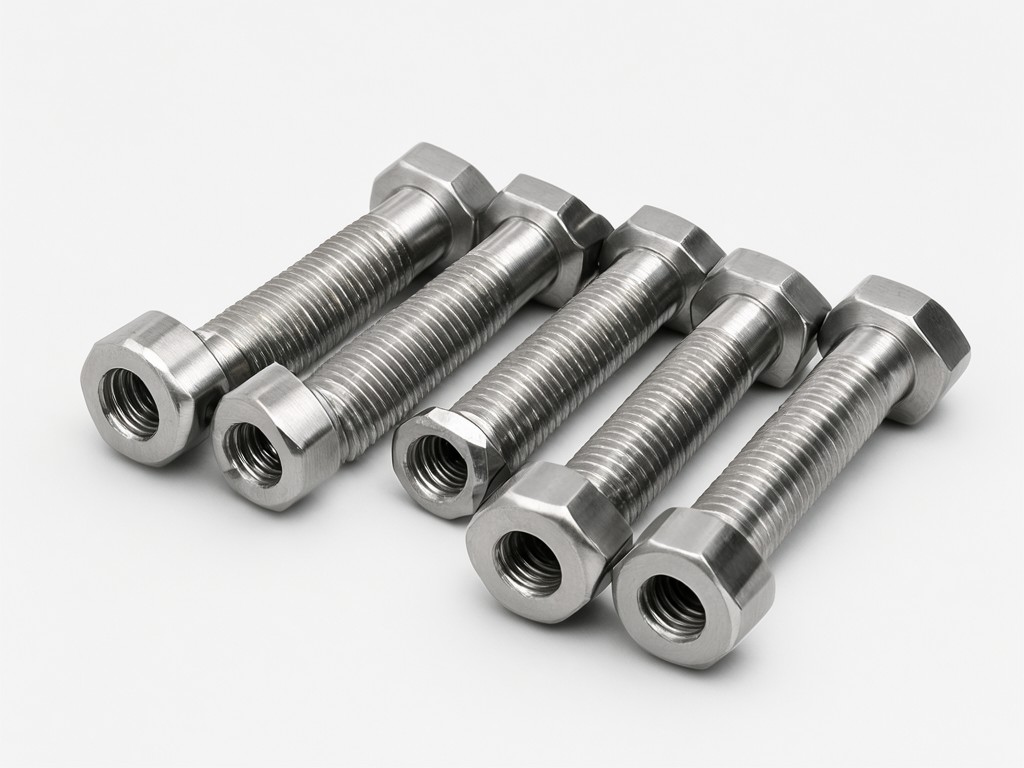
When a brand extends an existing range of assembly hardware, a double end threaded stud can look like a simple line extension: threaded ends engage two mating parts, while the plain shank sets the
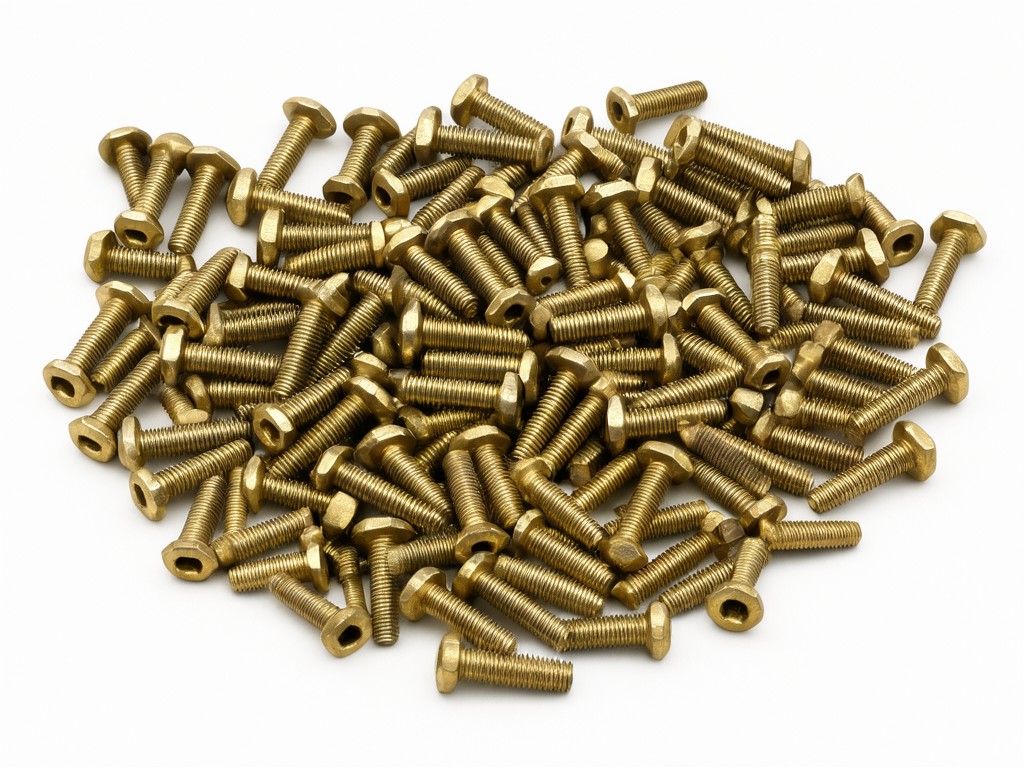
During a private-label launch with a fixed ship date, a socket that rounds during installation can cost more than the fastener saved on purchase price. For distributors and product managers, the
