-
 Call Now +86-15531020881
-
 Email Now [email protected]

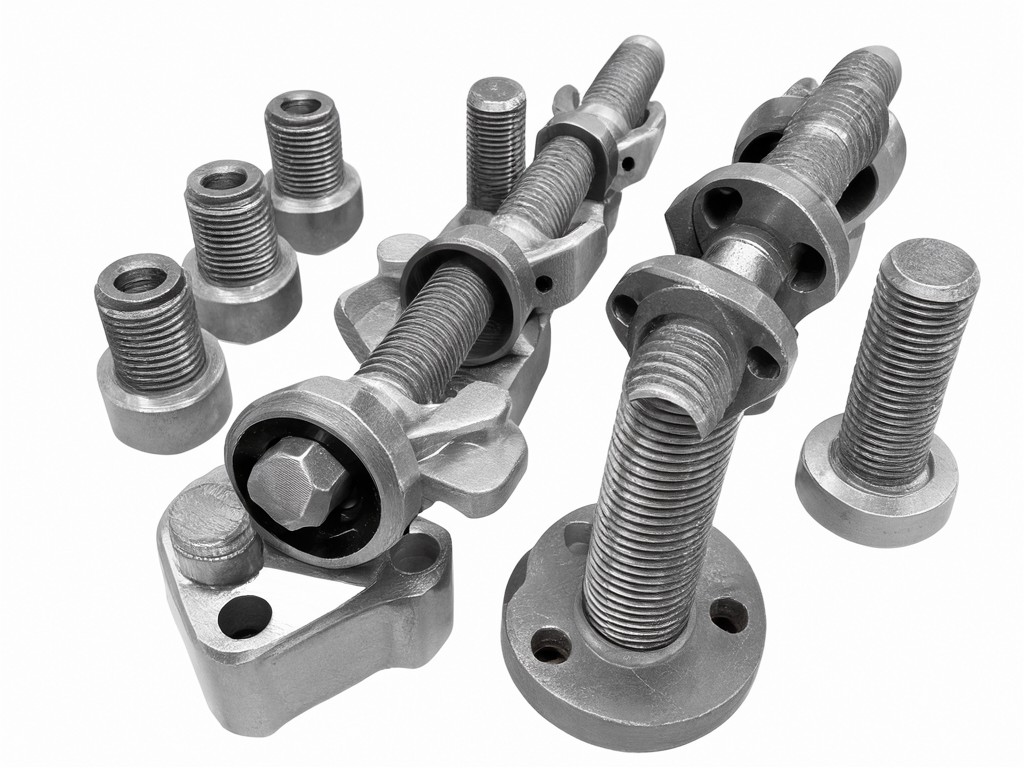

Selection rule: Lock the diameter, length, property class, flange style and coating as one controlled specification. A lower-priced bolt that changes any of these can raise the cost per unit sold
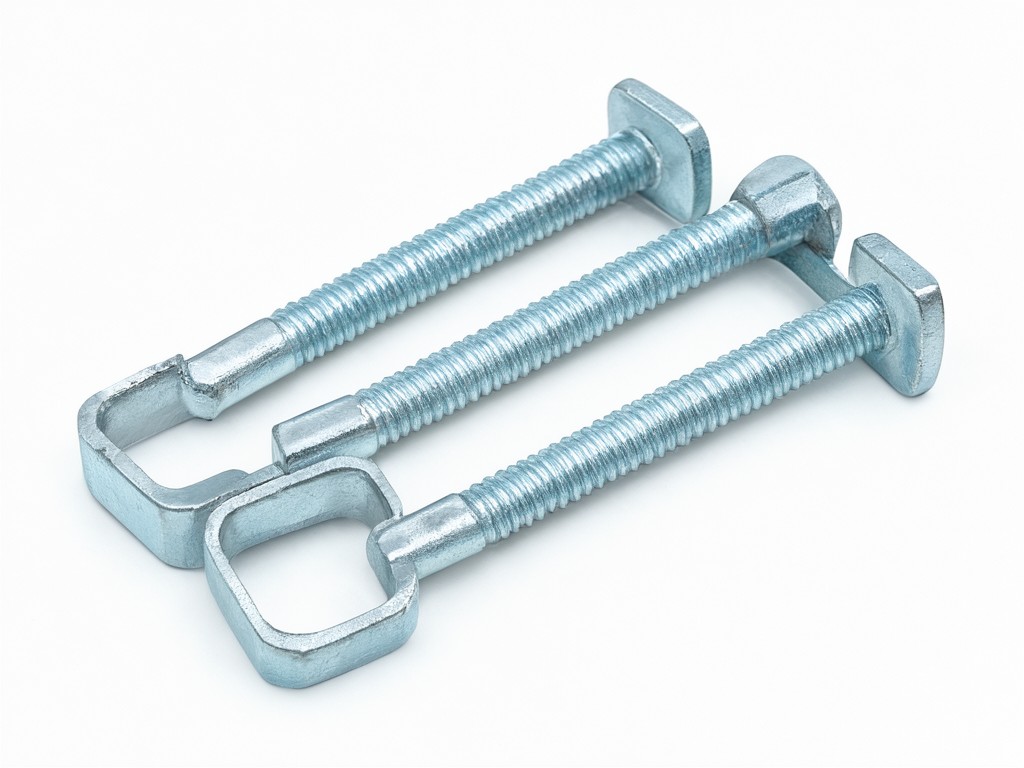
The interface between parts determines whether an 8-inch square U-bolt seats evenly or pulls the clamp out of alignment. Here, “square” describes the bend geometry; the fastener is commonly formed
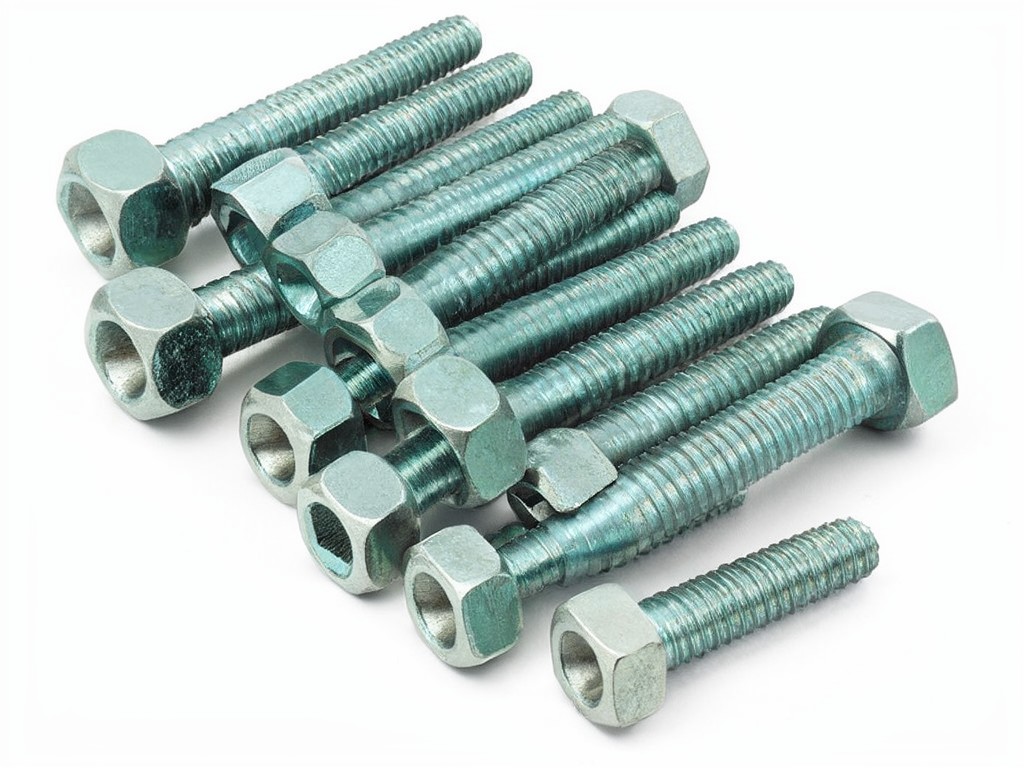
Material choice starts with the conditions the product will meet. For M3, M8, and M16 flange hex bolts, the decision isn't about which steel looks better under a microscope; it is about where the
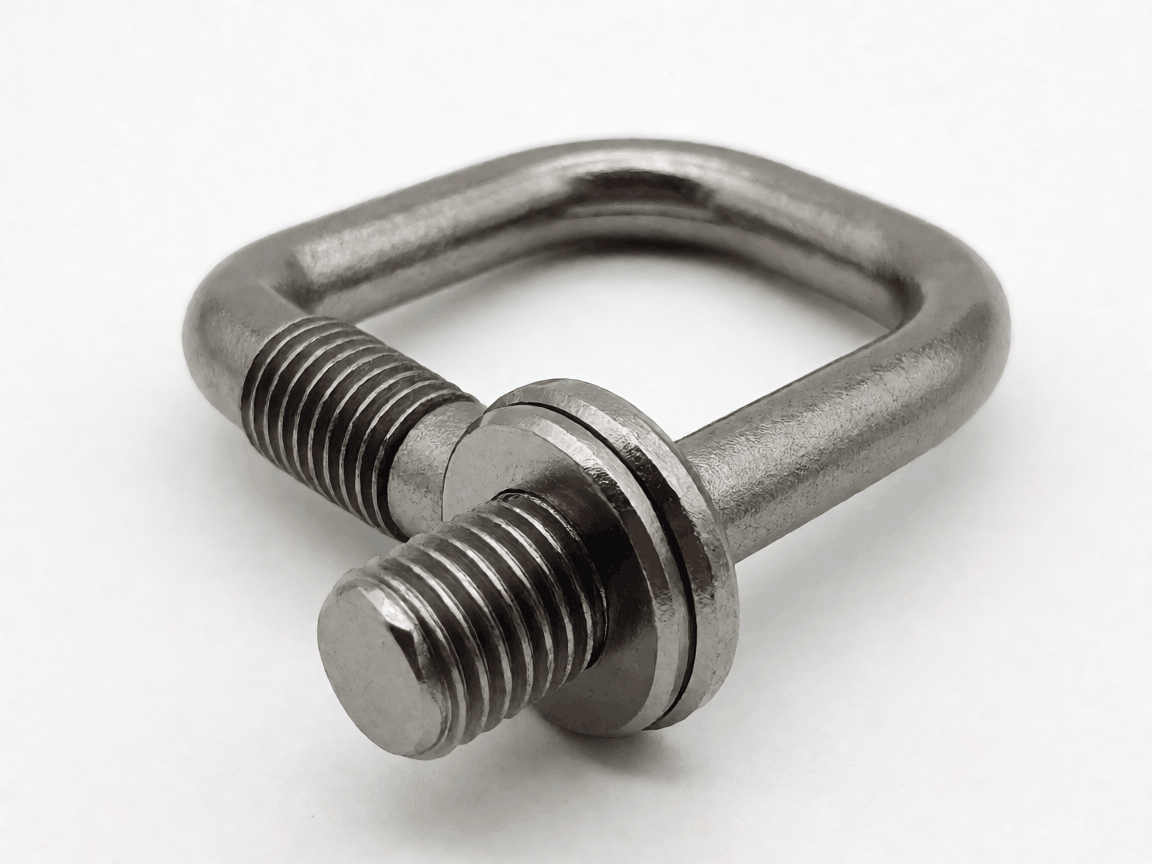
Moving from sample orders to container loads changes the cost of a fit problem: one clamp that misses its mating rail can become a run of returns. A 2 1/2-inch-wide square U-bolt clamp is a formed,
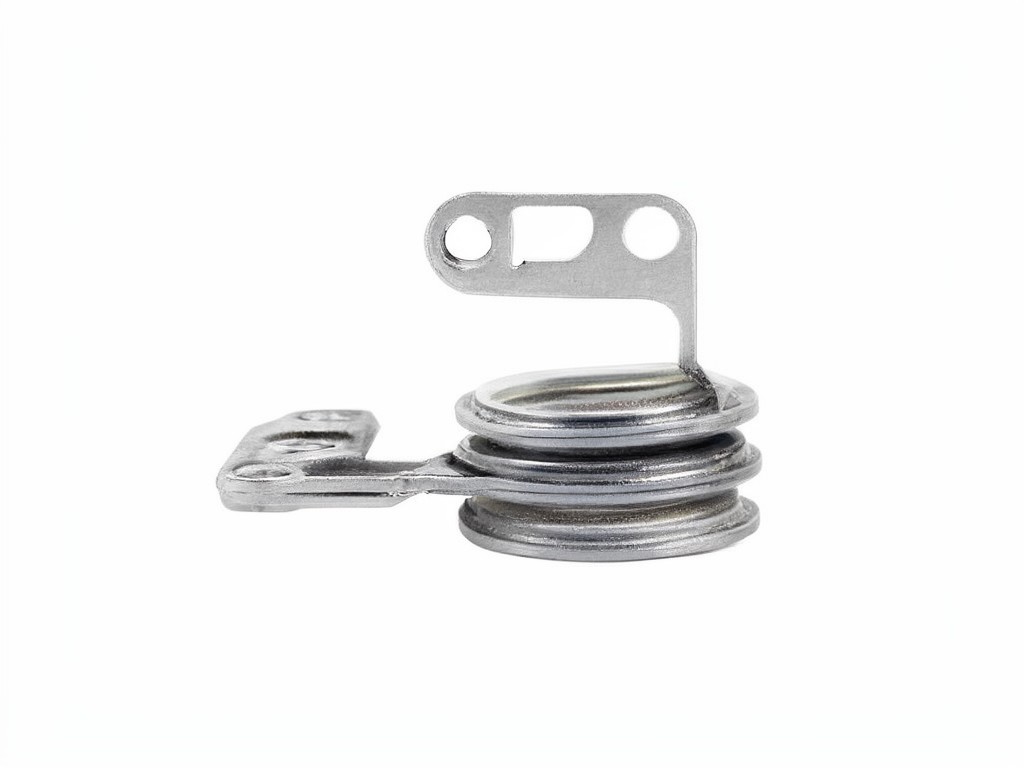
Repeat loading drives the failure: a clamp that shifts on a pipe or loses its hold can turn a small component variation into a warranty return. For procurement teams, the useful comparison is not a
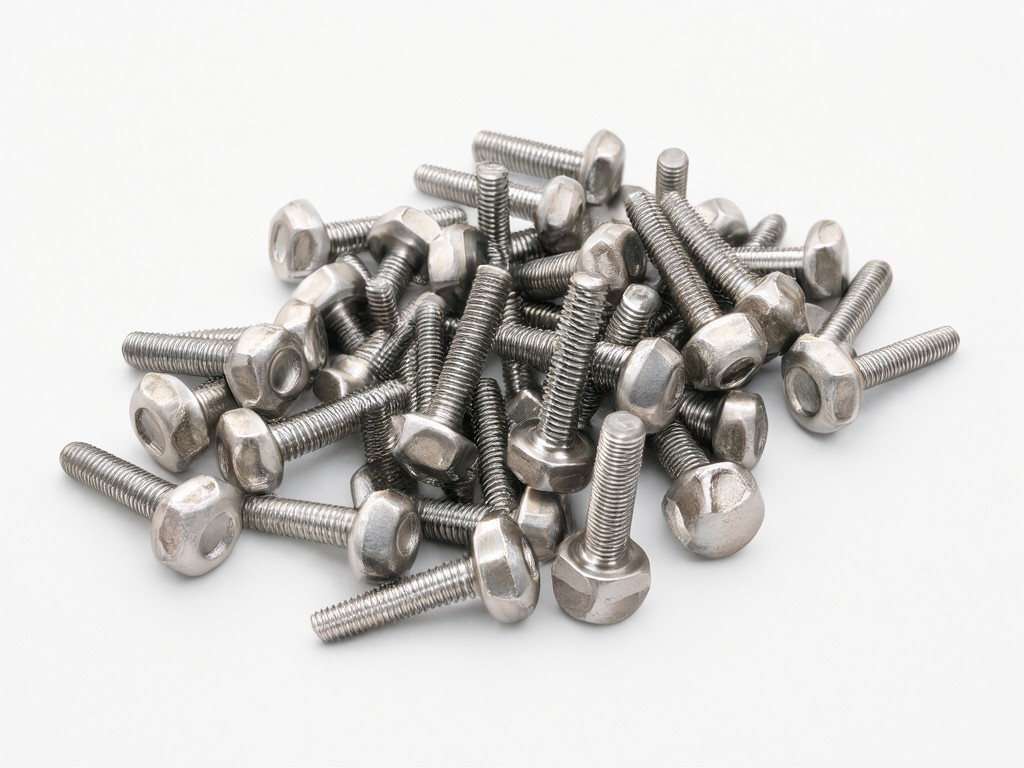
Two suppliers quoting the same M8 double-ended stud specification can deliver different results in thread fit, corrosion resistance and replacement frequency. For a second-source qualification,
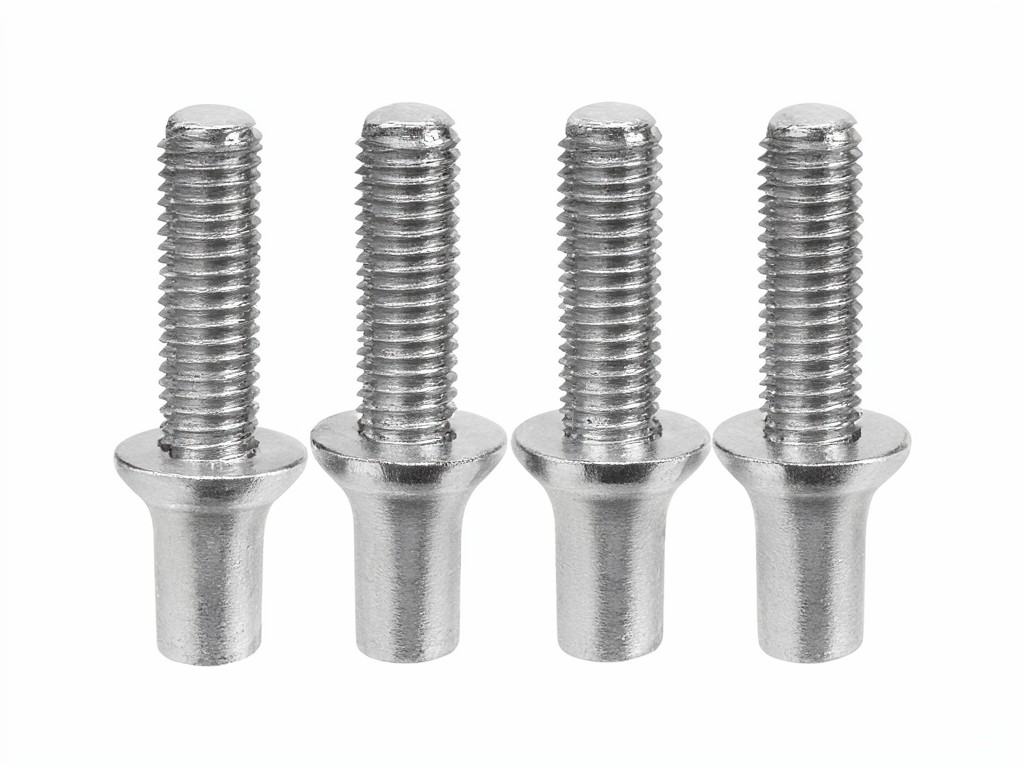
Repeated loading drives failure first at the countersink or thread root, where geometry concentrates stress. A harder steel may resist deformation, but material grade, head-seat fit and installation
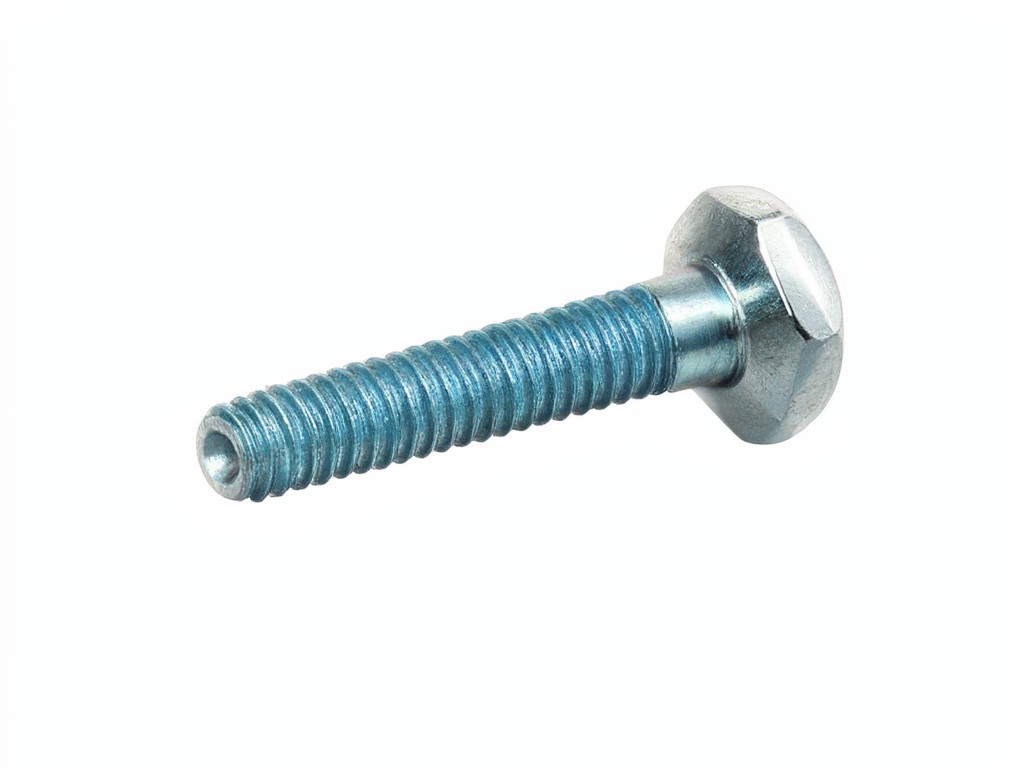
The complaint that repeats across reorders is rarely just “the bolt failed.” Buyers report heads sitting proud, drive recesses rounding during installation, or corrosion appearing sooner than
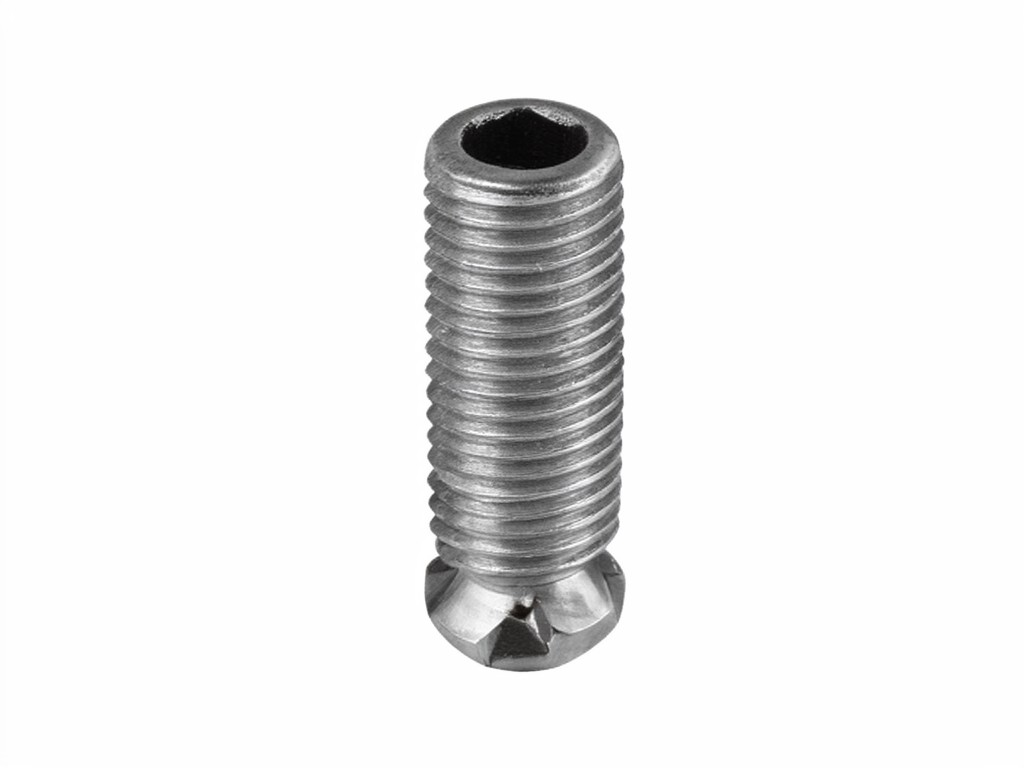
Two suppliers quoting the same specification can deliver different fits if the head angle, thread pitch or length reference is unclear. For a private-label or replacement order, M6 identifies a
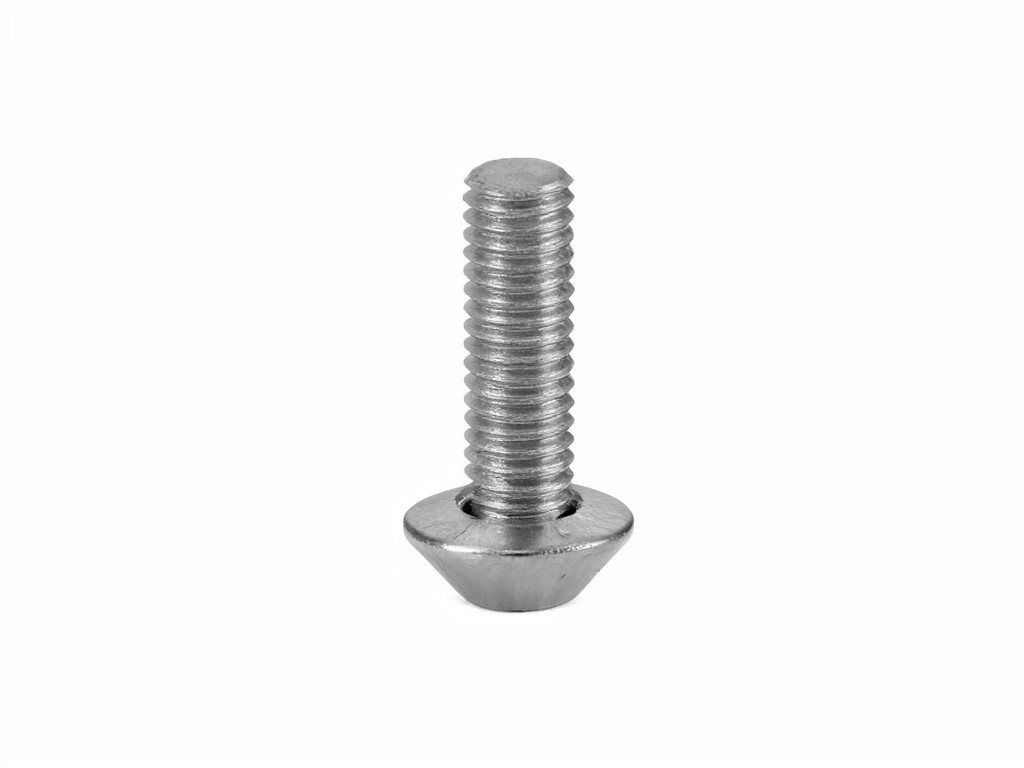
The limiting factor is rarely the headline specification. For an M6 × 30 mm countersunk bolt, a small mismatch in head angle, length convention, or thread can prevent the fastener from seating in an
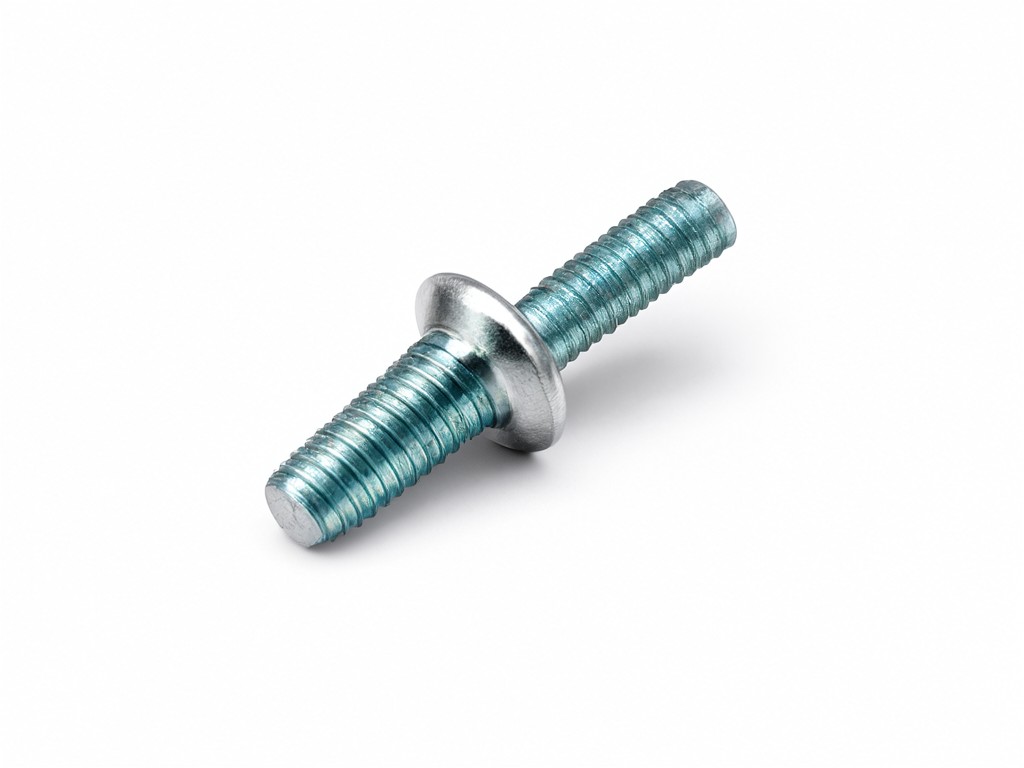
Replacement rate, not unit price, determines the cost of an M6 x 25 mm countersunk bolt in a product that sees repeated assembly or outdoor exposure. A low-priced lot can cost more per unit sold if
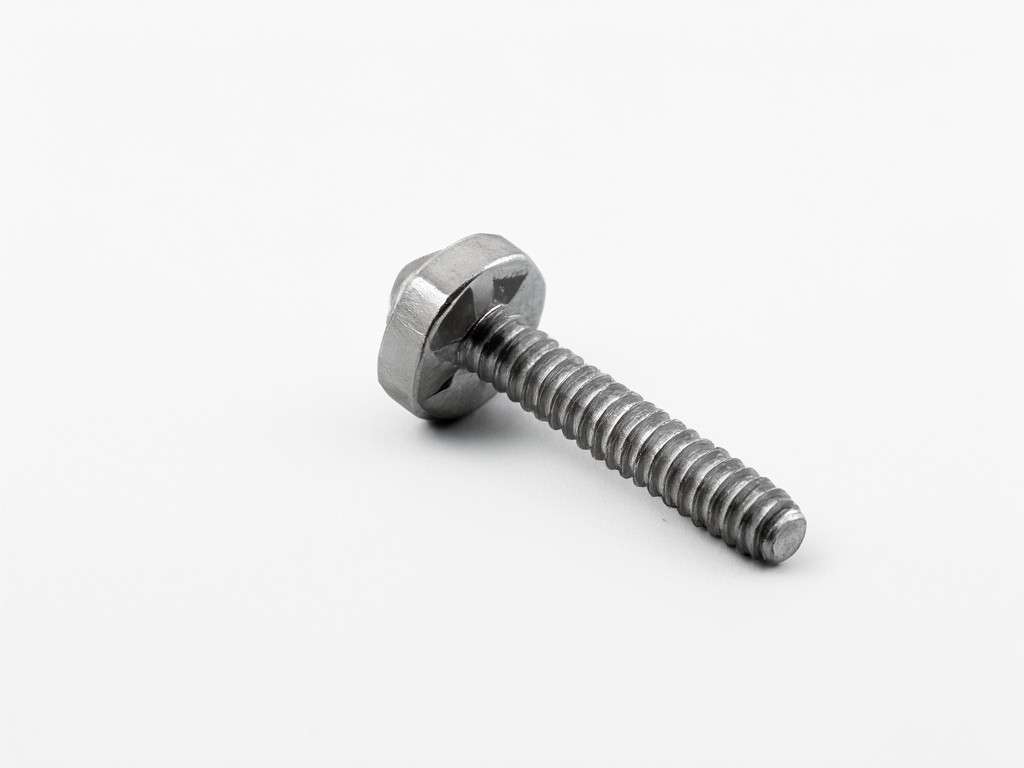
Most quality disputes start with a consistency gap. A countersunk fastener that seats flush in one assembly but sits proud or rocks in the next can delay a club equipment launch or trigger retail
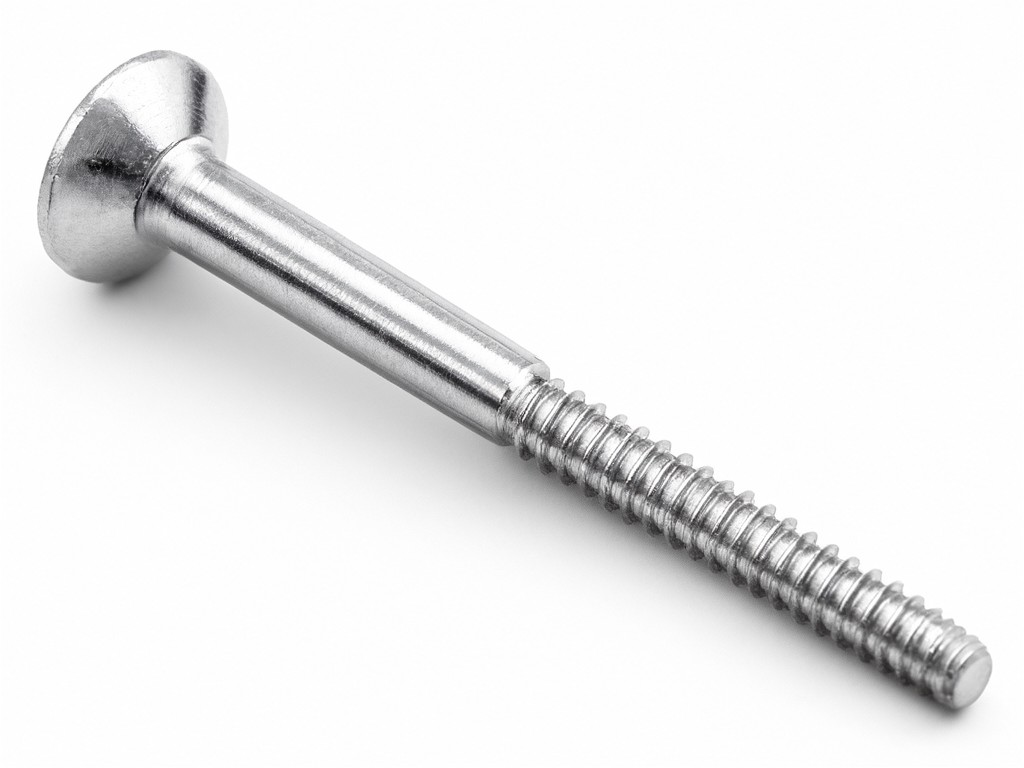
First-article tooling determines the countersunk head profile, recess depth and thread position before a production run begins. For a durable M6 x 12 mm countersunk bolt, approve those features
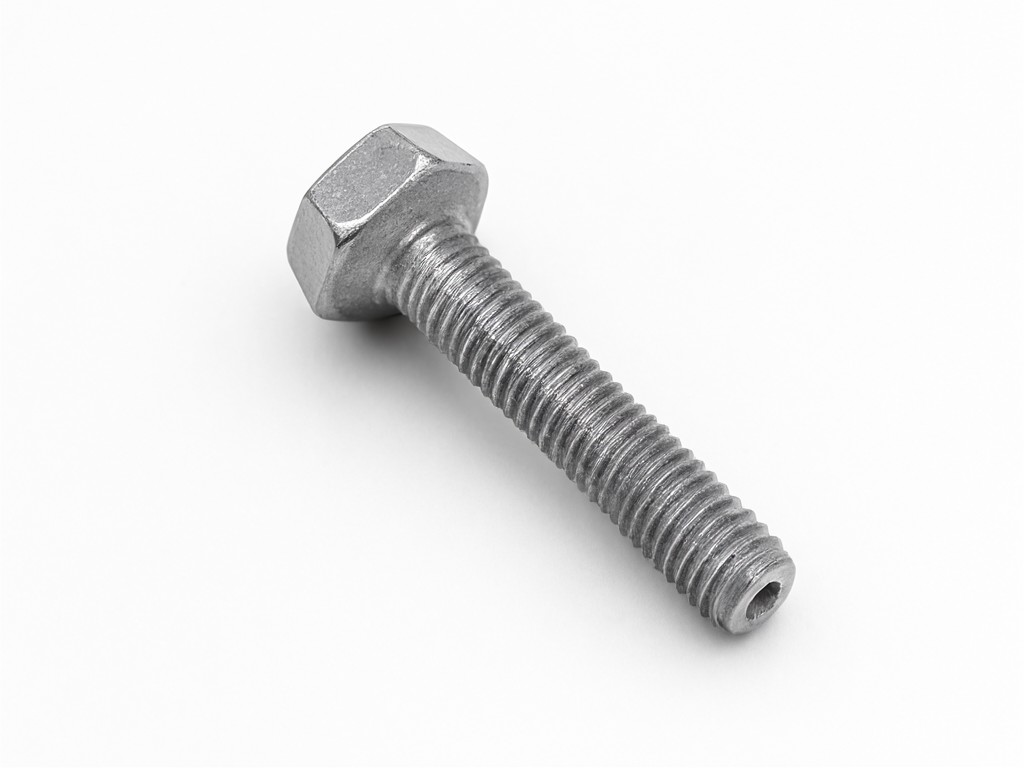
Material choice starts with the conditions the fastener will meet: an indoor equipment joint has different corrosion exposure from an outdoor assembly subject to rain, cleaning agents, or coastal
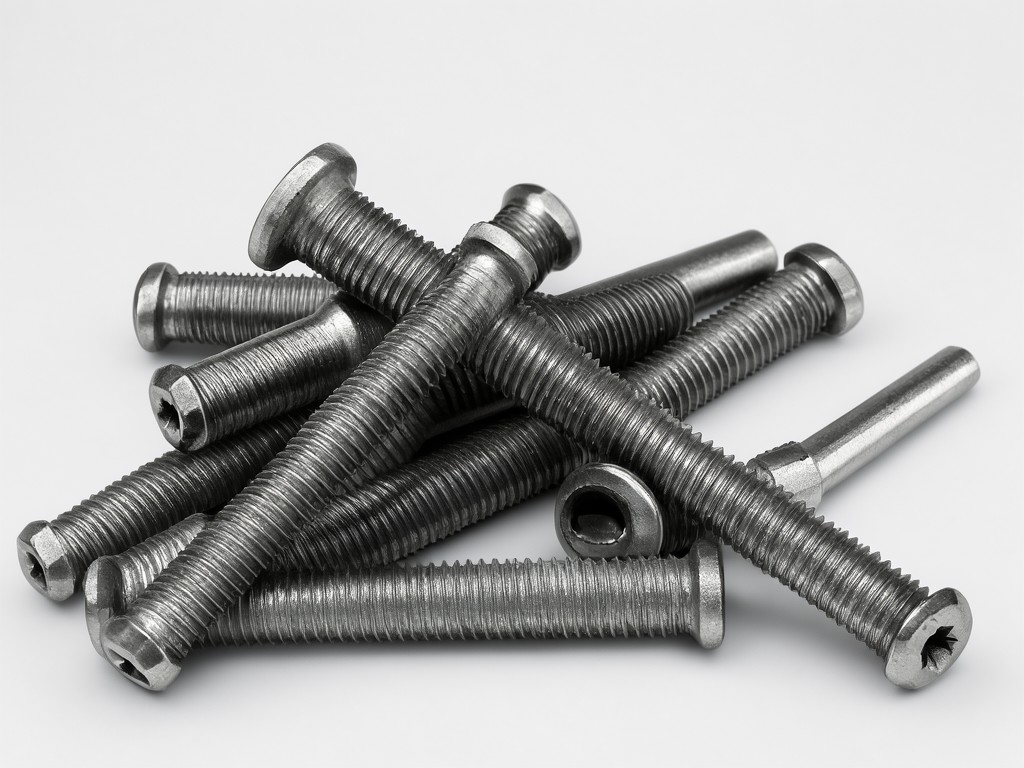
For repeat orders, agree the countersink angle, length datum, material and finish on one approved drawing. Carbon steel with a specified protective coating can lower unit cost; stainless steel can
