-
 Call Now +86-15531020881
-
 Email Now [email protected]

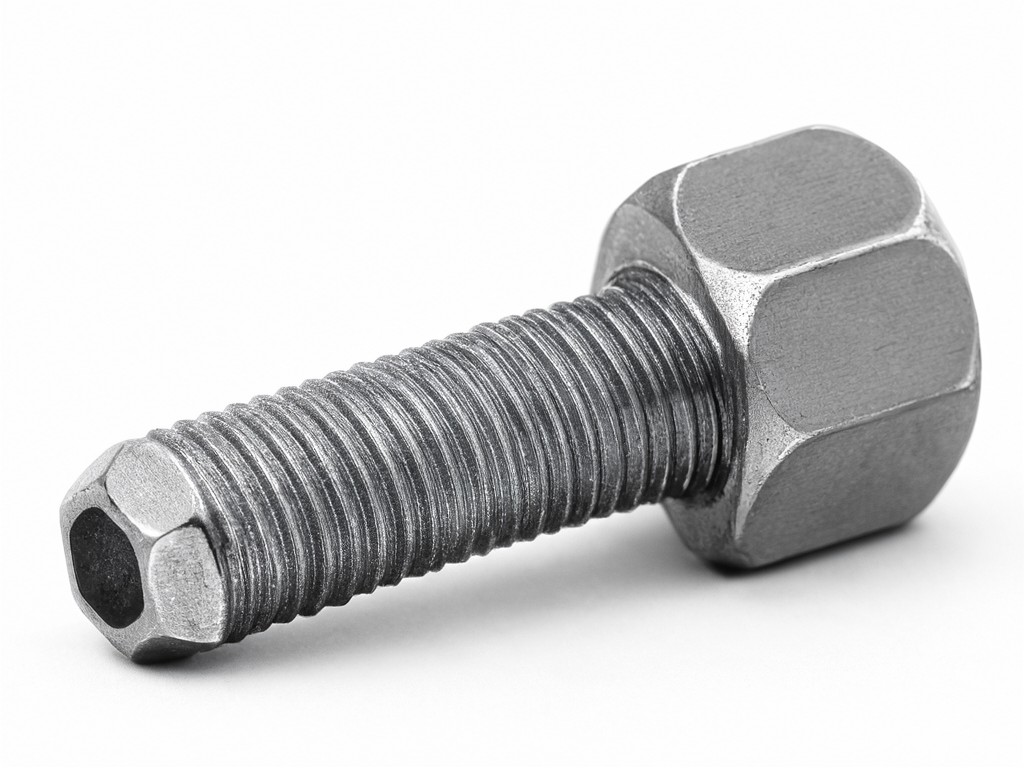

The limiting factor is rarely the headline specification. On an M4 hex bolt, variation in thread fit, head dimensions or finish can turn a low-priced fastener into assembly delays, rework and product
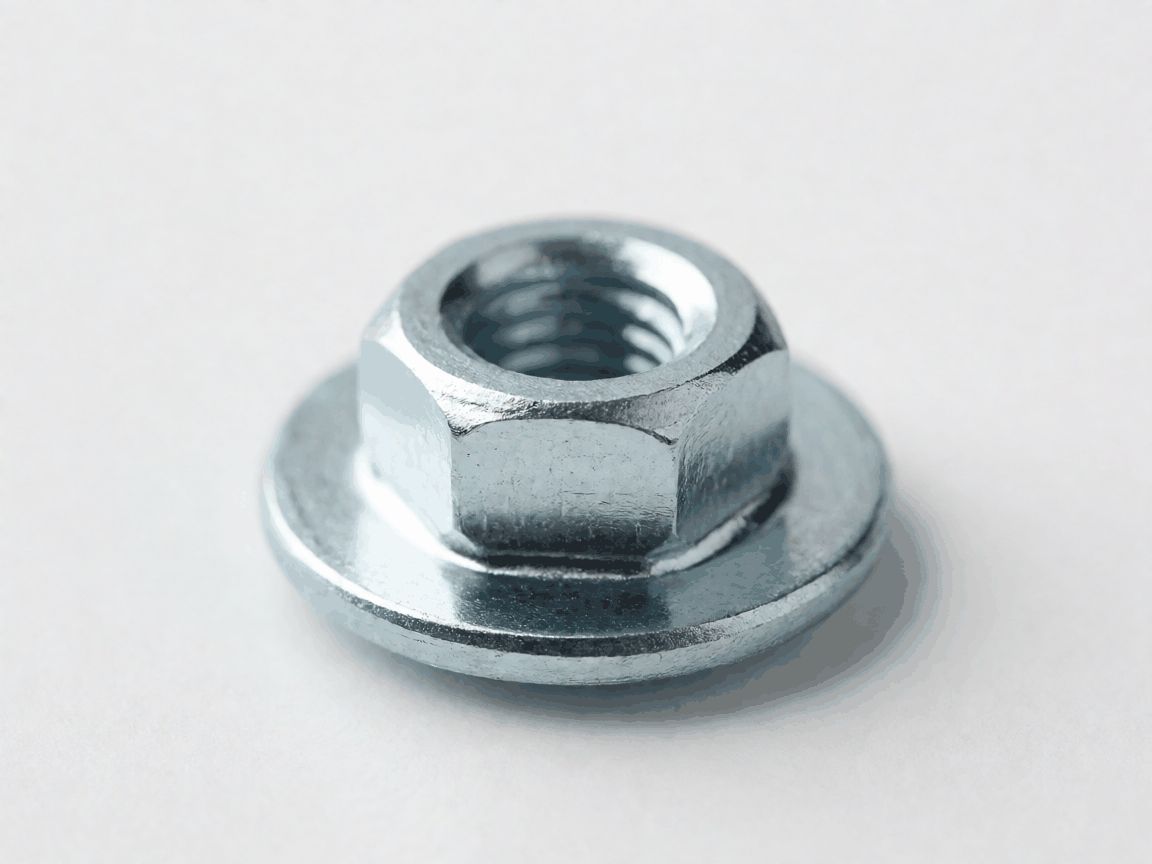
Most quality disputes start with a consistency gap: one batch has a slightly different dome height, hex width, or finish from the last, and the difference shows up in assembly or customer returns.
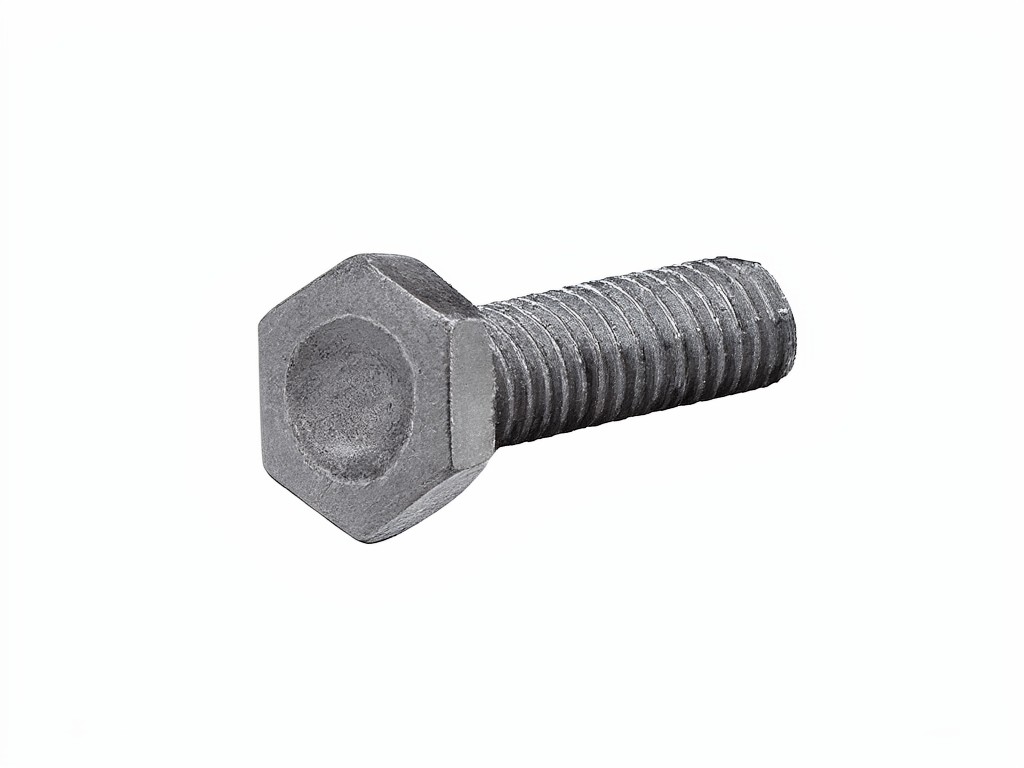
Fatigue appears first at the thread runout, under the bolt head, or at a sharp transition—not necessarily where the M30 diameter looks most substantial. Under repeated loading, a small mismatch in
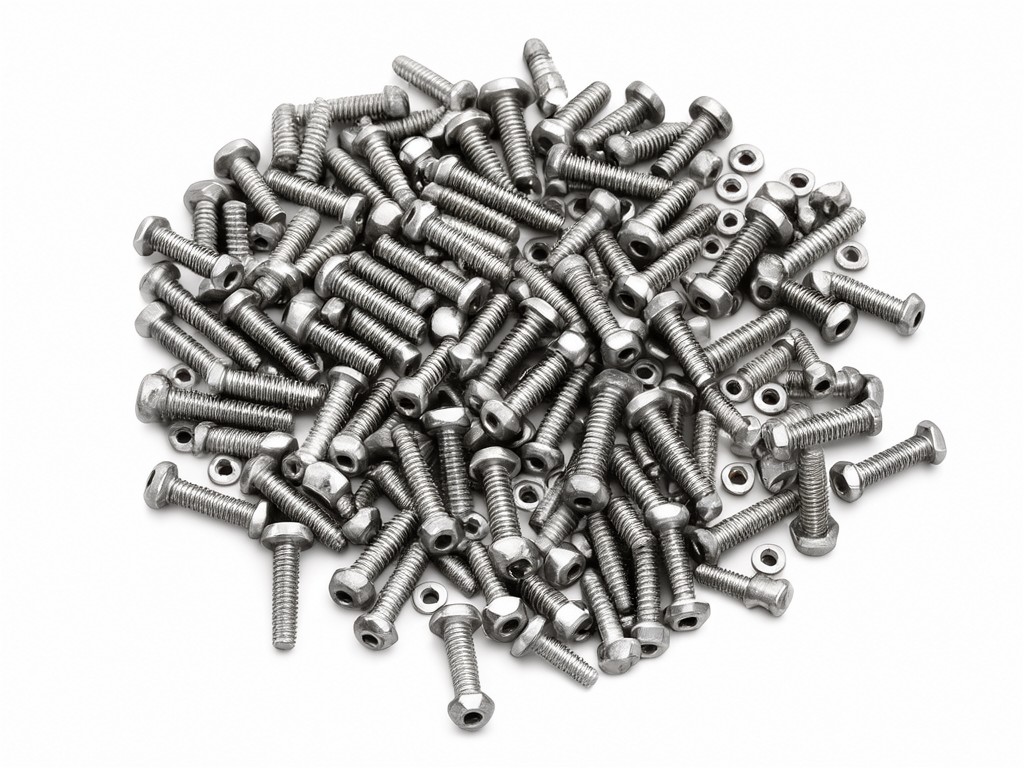
Selection trade-off: retain the approved countersunk profile, drive and thread dimensions to avoid a mating-part redesign; reserve custom tooling or altered head geometry for cases where the existing
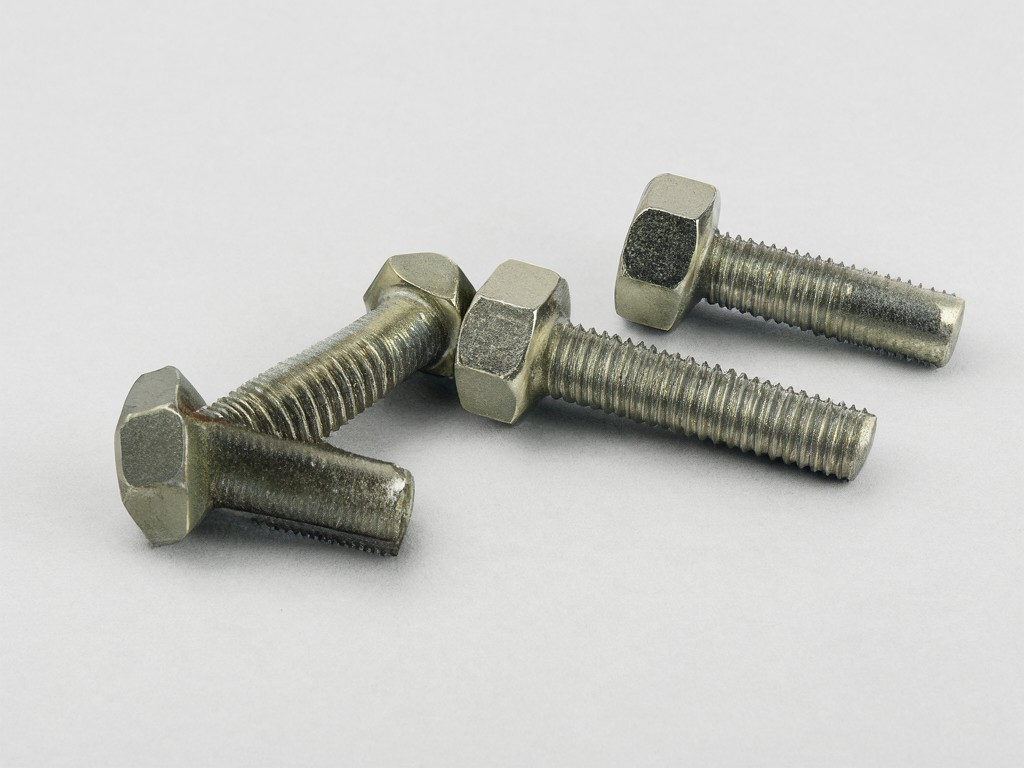
Unit price settles the question only after the delivered lots fit the same mating parts and assemble at the same rate. For M2.5 hex bolts, small shifts in thread fit, head dimensions or finish can
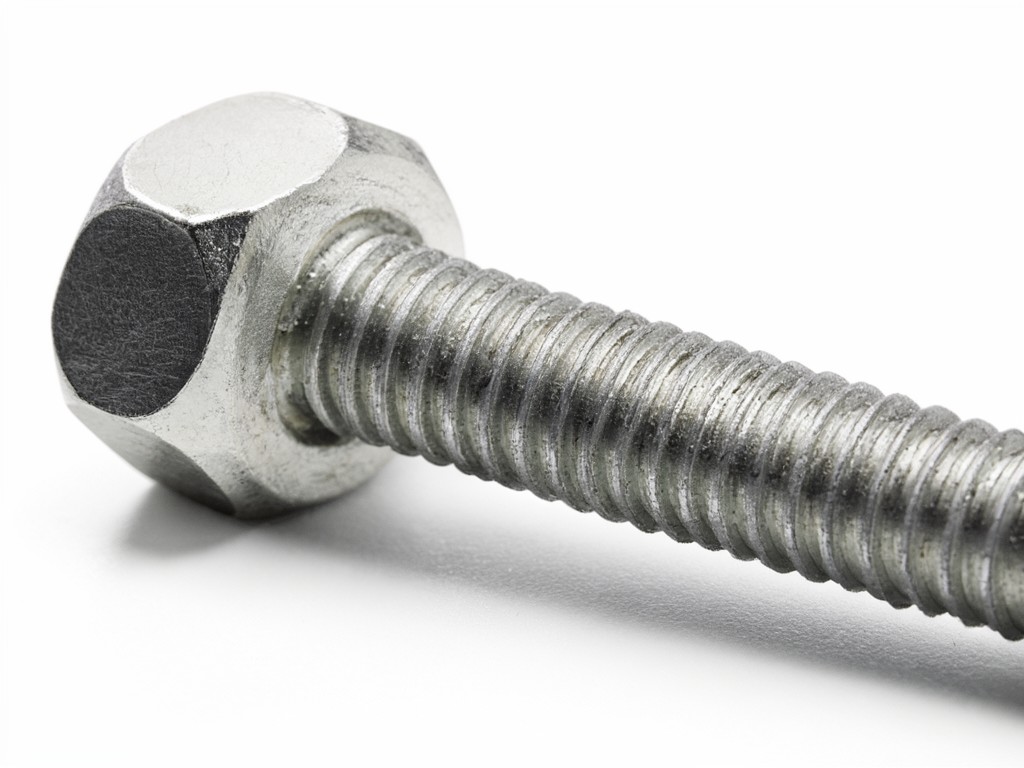
On an outdoor machine frame that is opened for scheduled service, an M18 hex bolt must seat against the joint, take the specified tightening load, and resist the site’s moisture exposure. For an OEM
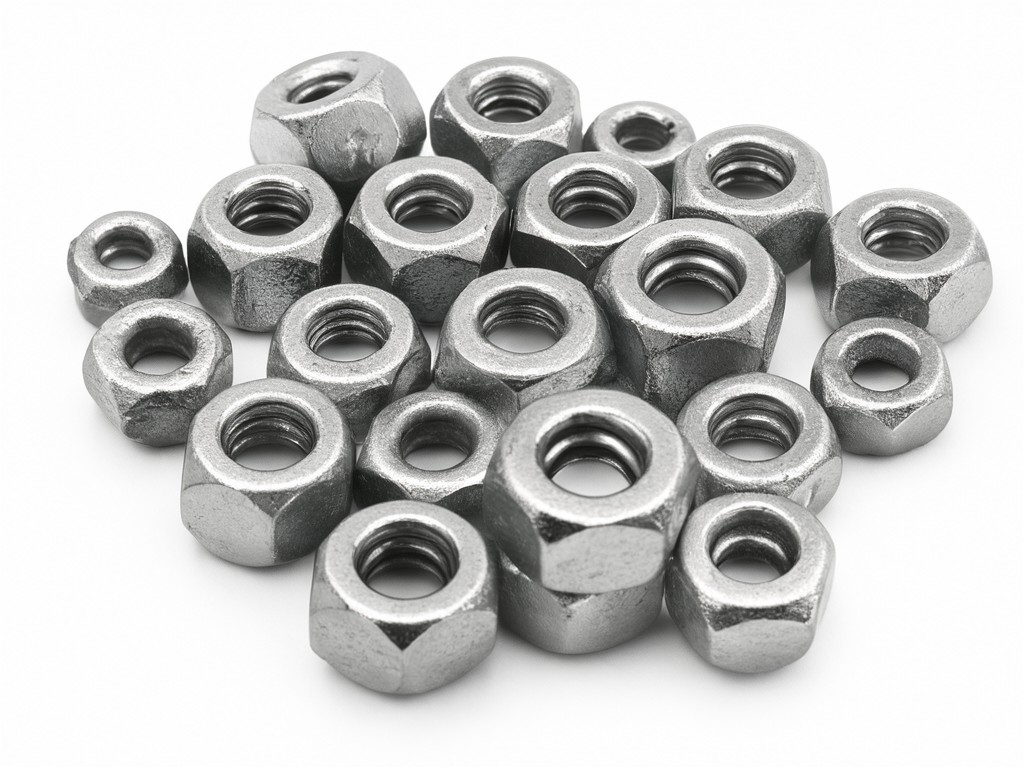
The interface between parts determines whether an M15 hex nut seats squarely, holds the intended clamp load and remains serviceable at the next maintenance interval. Thread pitch, nut height, bearing
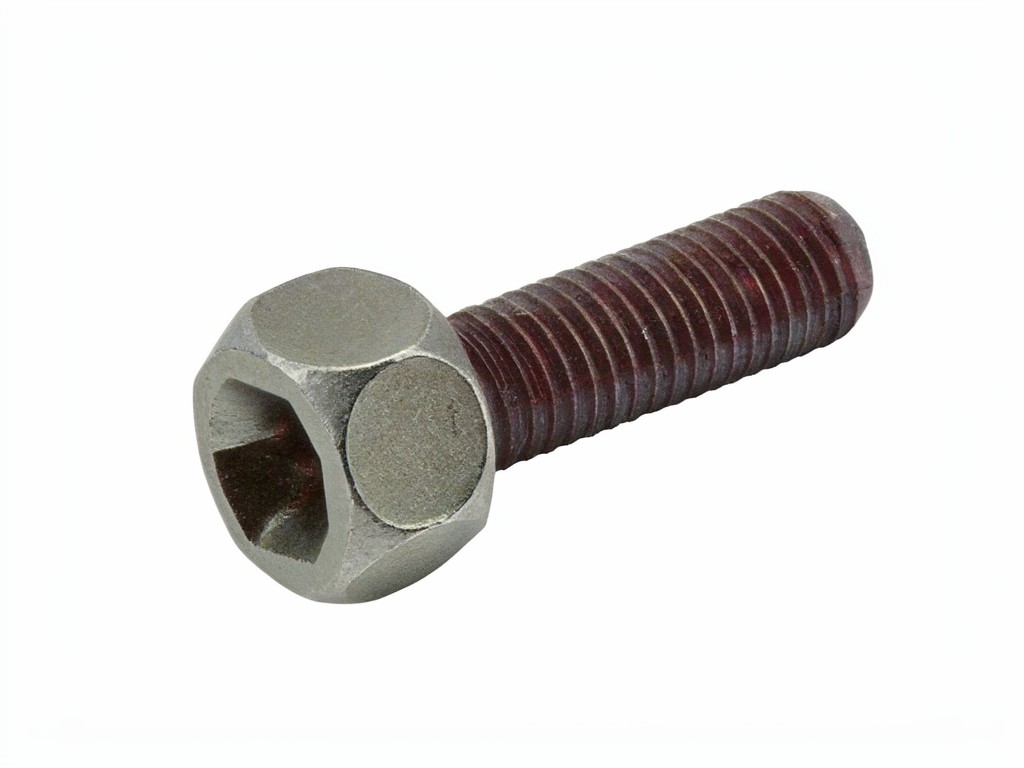
Two suppliers can quote the same M15 hex bolt specification and still deliver different service life. Head dimensions, thread fit, steel condition and coating control often explain why one batch
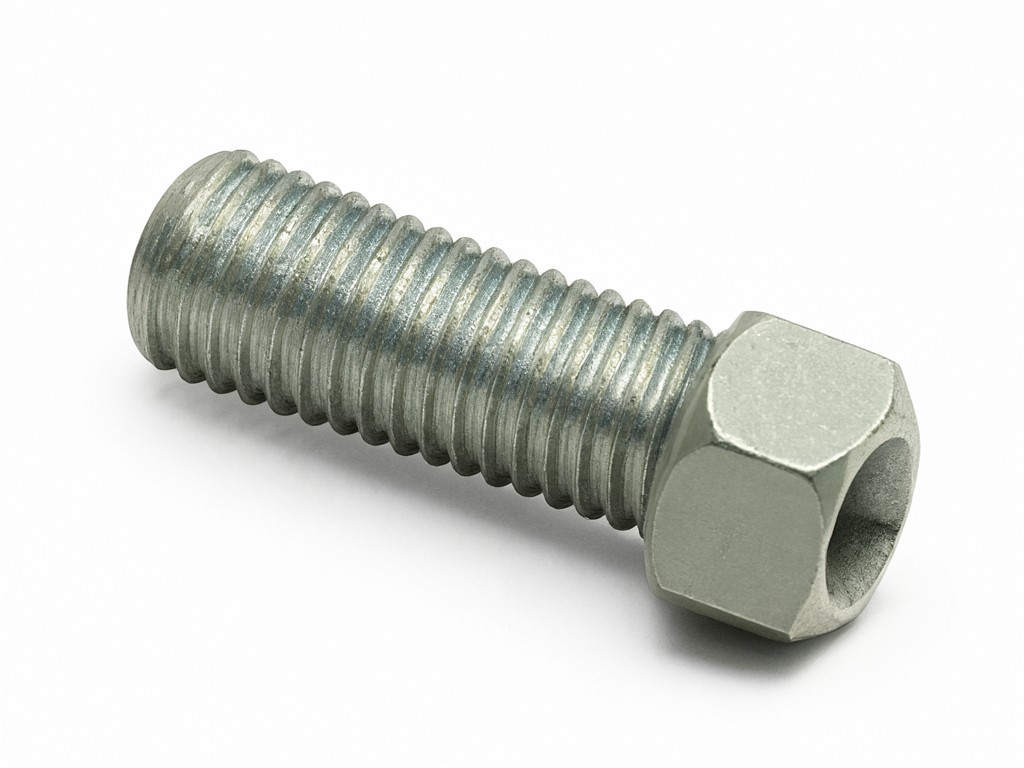
Most quality disputes start with a consistency gap: a batch that differs in thread fit, head dimensions, mass or finish from the approved sample. For a private-label M14 × 1.5 hex bolt, even small
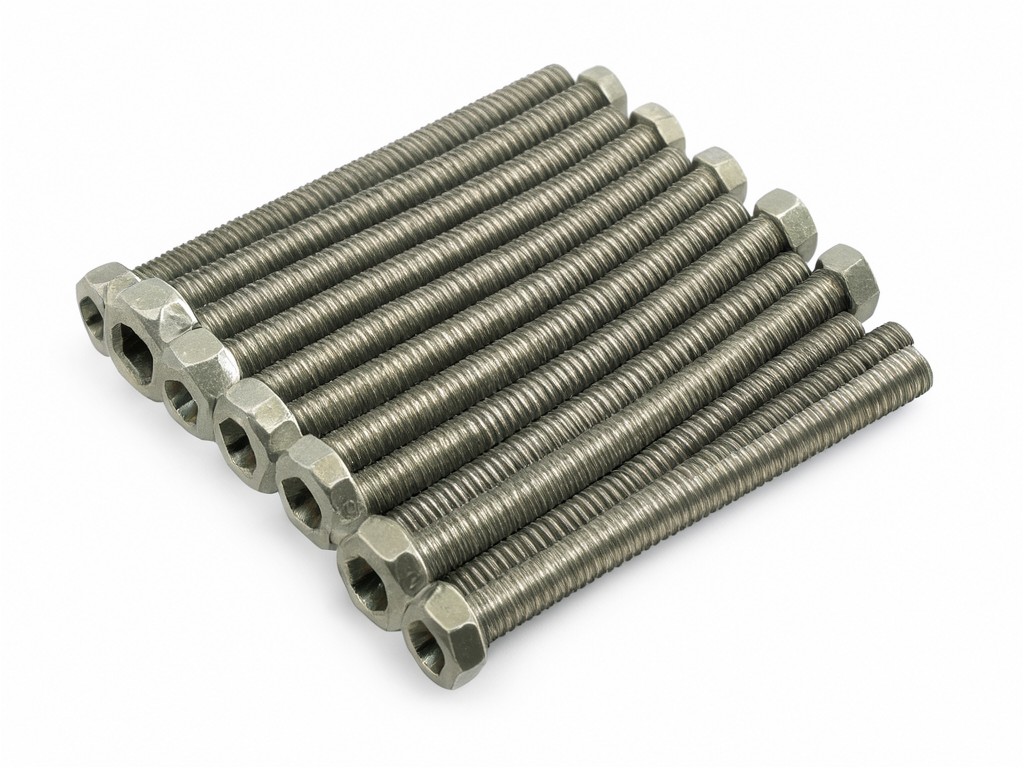
Cost and durability pull in opposite directions once the bolt works in a damp, corrosive, or high-load assembly. The right material and finish depend on the service environment, required clamp load,
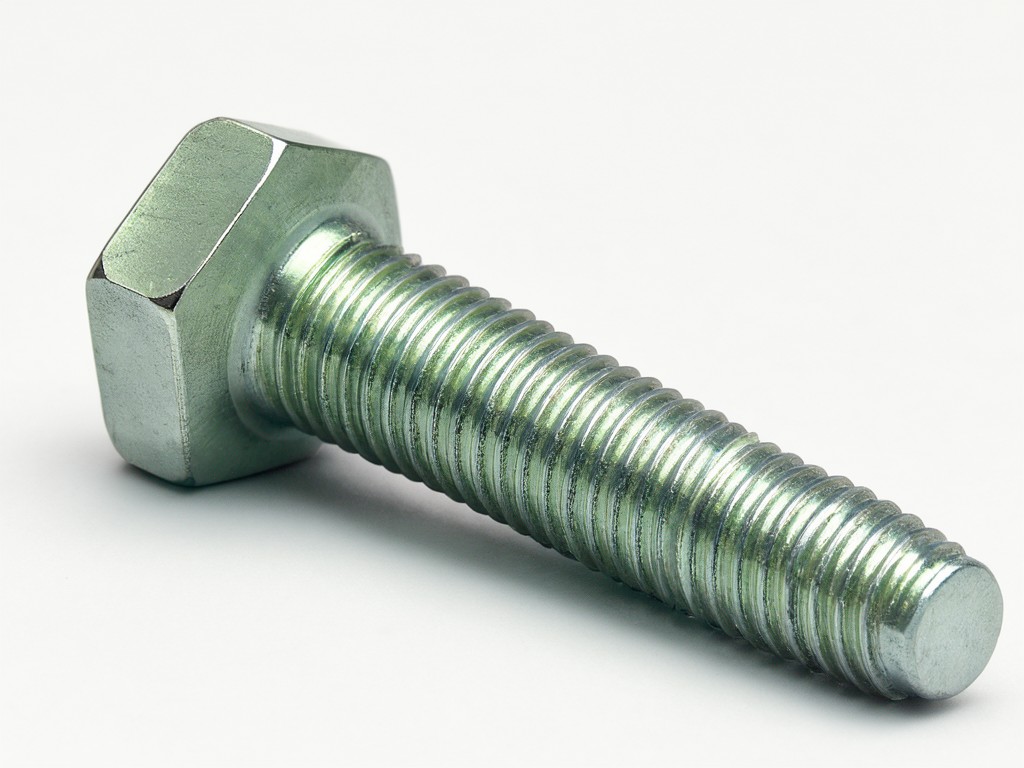
Material choice starts with the conditions the bolt will meet: moisture, chemicals, temperature, joint load and the mating thread. For an M12 x 1.5 hex bolt, the 1.5 mm pitch is a fine-pitch thread,
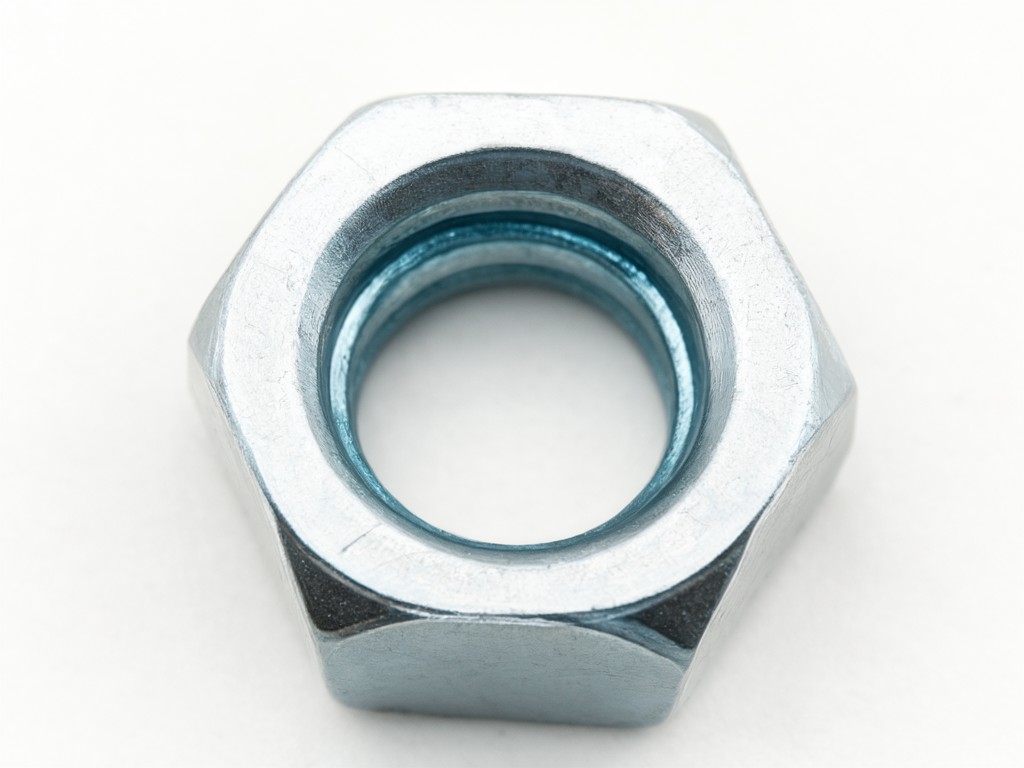
A nut that binds on its mating M12 x 1.5 bolt can prevent the joint from reaching its specified assembly condition. The build method decides how consistently the hex body and tapped thread hold the
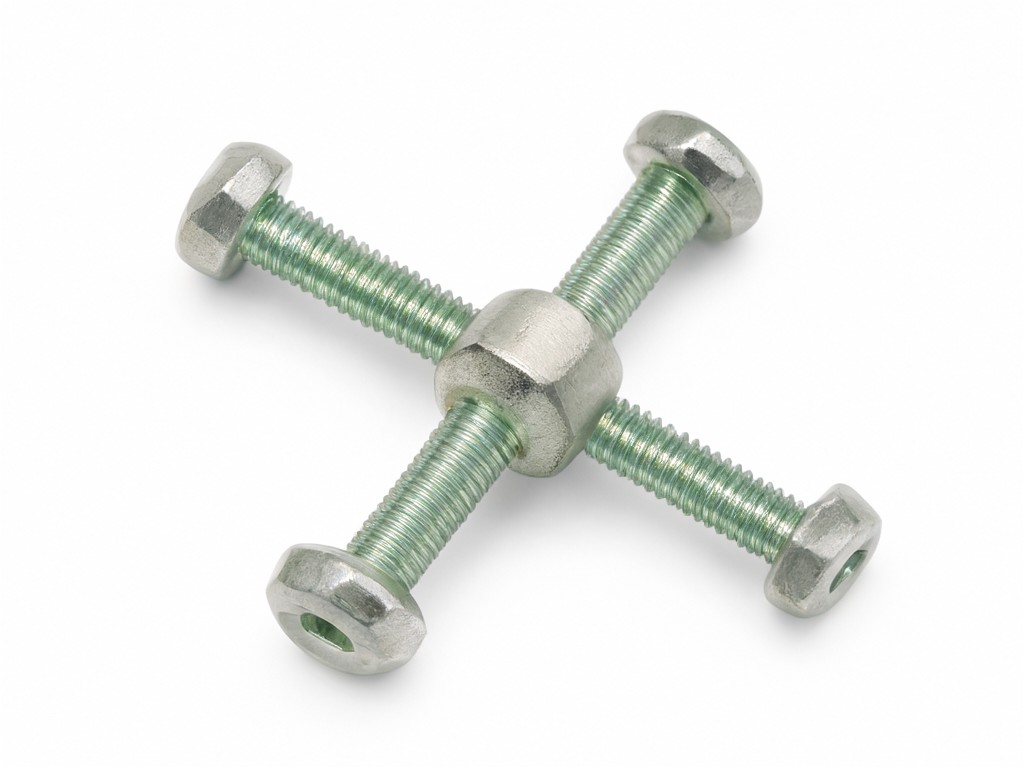
The complaint that repeats across reorders is a stud that fits the tapped hole but leaves too little exposed thread for the nut, or loses its finish after repeated washdown. Lock the thread, length
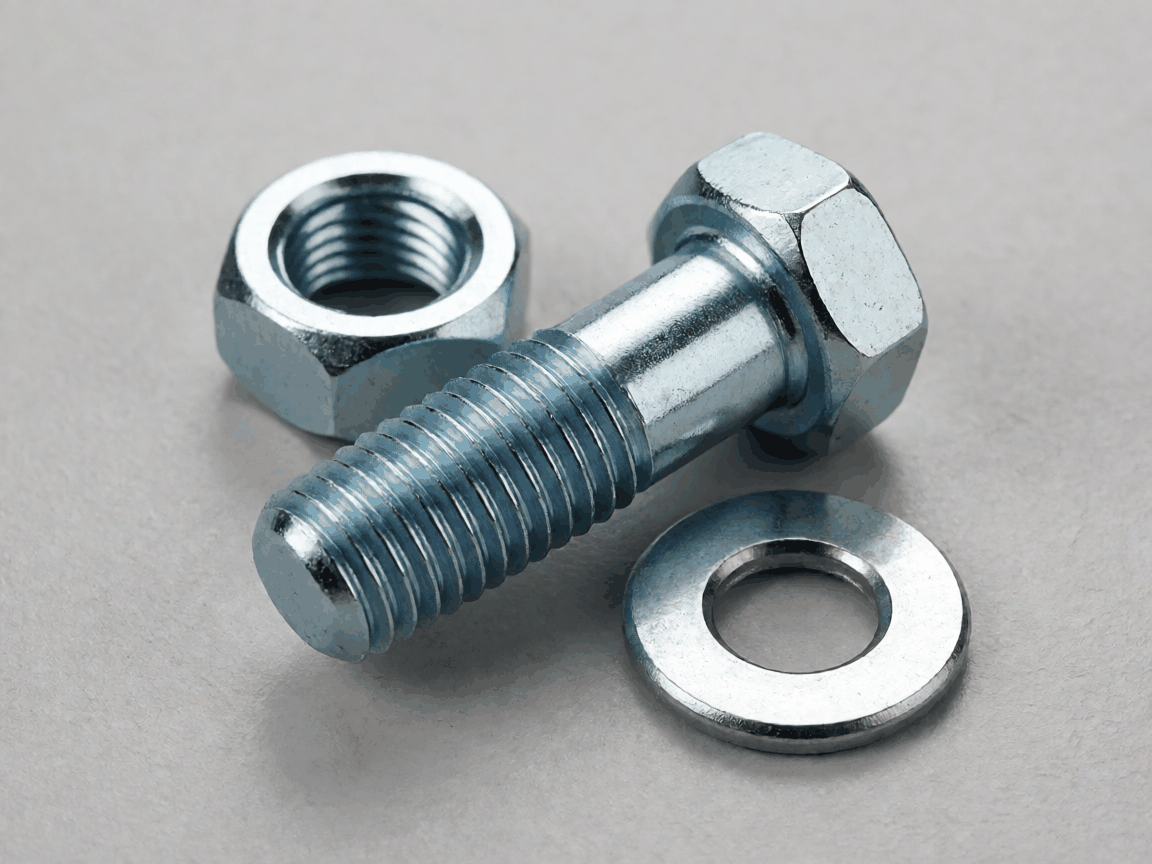
Consistency is set at the forming stage: blank length, thread location and the two end configurations must follow the approved drawing. For repeat wholesale orders, cold forming the blank and rolling
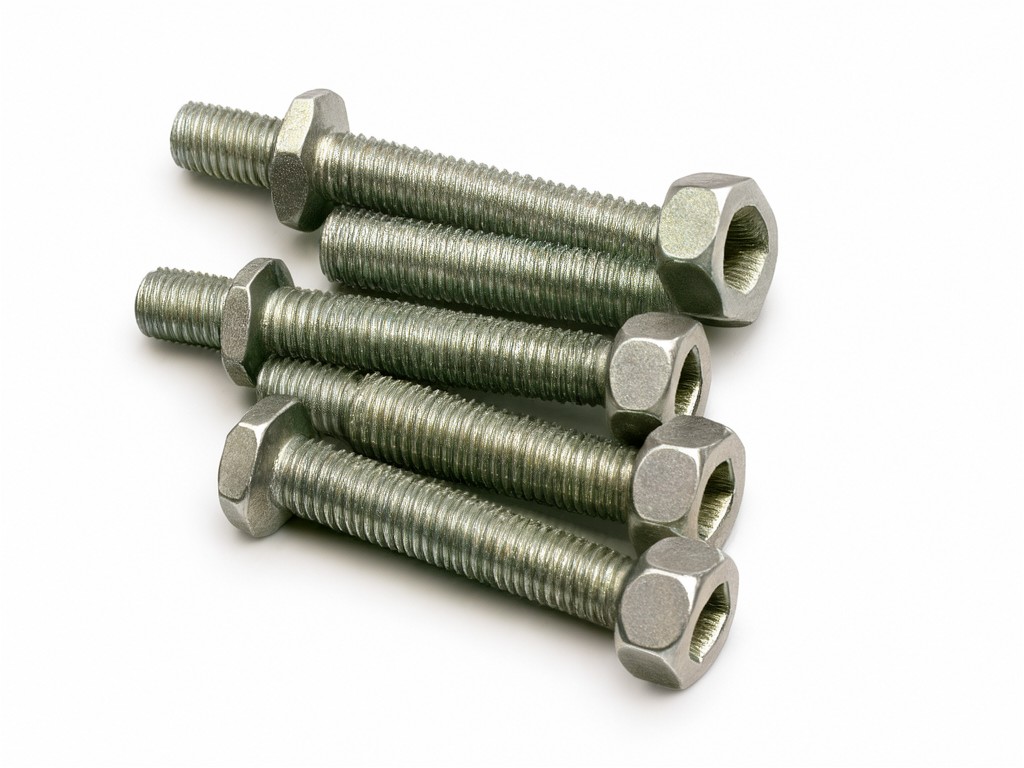
For M1 fasteners, material and finish have to be selected against the joint environment and the mating-part limits. Stainless steel can reduce corrosion-related replacements; plated carbon steel may
